The United States boasts a multitude of famous tourist attractions that are renowned worldwide. Among these, the Grand Canyon stands out as a natural wonder, attracting visitors with its breathtaking vistas and geological significance. Carved by the Colorado River, the canyon offers a unique landscape that's both educational and awe-inspiring. Another famous tourist attraction is the Yosemite National Park, with its towering cliffs, ancient giant sequoias, and thundering waterfall welcoming millions to the explore this natural wonder of world.
Theme park enthusiasts often flock to Walt Disney World Resort for its magical experience, while the Las Vegas Strip dazzles with its vibrant nightlife and entertainment options. Each of these destinations encapsulates a different aspect of American culture and history, making them must-visit landmarks for tourists from around the globe.
From natural wonders to cultural landmarks, the America's most famous tourist attractions offer a glimpse into the country's rich history, vibrant culture, and breathtaking landscapes. Here are some of the most famous tourist attractions in America that draw millions of visitors each year.
San Francisco, known as "The City by the Bay," is one of the most iconic and beloved cities in the United States. Located in Northern California, this vibrant city is famous for its steep hills, eclectic neighborhoods, historic landmarks, and stunning waterfront views. San Francisco’s unique blend of culture, history, and natural beauty makes it a top destination for travelers from around the world.
The Golden Gate Bridge
No visit to San Francisco is complete without seeing the Golden Gate Bridge, one of the most recognizable landmarks in the world. This suspension bridge, with its striking International Orange color, spans 1.7 miles across the Golden Gate Strait, connecting San Francisco to Marin County. The bridge offers spectacular views of the San Francisco Bay, Alcatraz Island, and the city skyline.
Visitors can experience the Golden Gate Bridge by walking or biking across it, or simply enjoying the views from nearby vantage points such as Crissy Field, Fort Point, or the Marin Headlands. The Golden Gate Bridge Welcome Center provides information on the bridge's history and construction, along with a gift shop and cafe.
Alcatraz Island
Alcatraz Island, located in the middle of San Francisco Bay, is another must-see attraction. Once a notorious federal prison that held some of the country’s most dangerous criminals, including Al Capone and "The Birdman" Robert Stroud, Alcatraz is now a popular historic site managed by the National Park Service.
A ferry ride from Pier 33 takes visitors to the island, where they can explore the former prison, visit the Alcatraz Museum, and learn about the island's history through audio tours and exhibits. The island also offers stunning views of the city and the bay, as well as a chance to explore its gardens and natural areas, which are home to a variety of bird species.
Fisherman’s Wharf and Pier 39
Fisherman’s Wharf is one of San Francisco’s most popular tourist areas, known for its lively atmosphere, seafood restaurants, and historic attractions. Here, visitors can watch fishing boats come and go, sample clam chowder in sourdough bread bowls, and explore the many shops and entertainment options.
One of the highlights of Fisherman’s Wharf is Pier 39, a bustling waterfront complex that features a variety of shops, restaurants, and attractions. The pier is also famous for its colony of sea lions, which can often be seen lounging on the docks. From Pier 39, visitors can enjoy views of the Golden Gate Bridge, Alcatraz Island, and the city skyline, or take a boat tour of the bay.
The Cable Cars
San Francisco’s iconic cable cars are a beloved symbol of the city and a fun way to explore its hilly streets. These historic streetcars have been operating since the late 19th century and are the only ones of their kind still in operation. The Powell-Hyde and Powell-Mason lines are particularly popular with tourists, as they offer scenic rides through the city’s neighborhoods and past landmarks such as Lombard Street, Nob Hill, and Union Square.
Riding the cable cars provides a nostalgic and picturesque way to see the city, and no trip to San Francisco is complete without hopping on board for at least one ride. The Cable Car Museum, located in the Nob Hill neighborhood, offers a behind-the-scenes look at how the cable cars operate and the history of this unique mode of transportation.
Lombard Street
Lombard Street, often called the "crookedest street in the world," is another iconic San Francisco landmark. This steep, one-block section of Lombard Street features eight hairpin turns and is lined with beautifully landscaped gardens and historic homes. The street is a popular spot for photos, and driving or walking down its zigzagging path is a quintessential San Francisco experience.
Chinatown
San Francisco’s Chinatown is the oldest and one of the largest Chinatowns in North America. This vibrant neighborhood is a bustling hub of culture, commerce, and history, with its narrow streets lined with shops, restaurants, and markets selling everything from traditional Chinese herbs to exotic fruits and souvenirs.
Visitors to Chinatown can explore its many attractions, including the ornate Dragon Gate at the entrance to Grant Avenue, the historic Tin How Temple, and the Chinatown Heritage Center, which offers exhibits on the history of Chinese immigrants in San Francisco. The neighborhood is also famous for its culinary delights, with numerous restaurants offering authentic Chinese cuisine, from dim sum to Peking duck.
Golden Gate Park
Golden Gate Park is a vast urban oasis that stretches for over three miles on the western side of the city. The park is home to numerous gardens, museums, and recreational facilities, making it a popular destination for both locals and tourists.
Some of the park's highlights include:
The California Academy of Sciences:
This world-class museum features a natural history museum, an aquarium, a planetarium, and a living rainforest, all under one roof. The museum’s innovative design also includes a "living roof" covered in native plants.
The de Young Museum:
Located in the heart of Golden Gate Park, the de Young Museum showcases American art from the 17th through the 21st centuries, as well as art from Africa, Oceania, and the Americas.
The Japanese Tea Garden:
This tranquil garden is the oldest public Japanese garden in the United States. Visitors can stroll through its beautifully landscaped grounds, which feature koi ponds, pagodas, and a traditional tea house.
Stow Lake:
A peaceful spot for boating and picnicking, Stow Lake is located near the park's center and is surrounded by lush greenery and walking paths.
The Mission District
The Mission District is one of San Francisco’s most vibrant and culturally rich neighborhoods. Known for its colorful murals, trendy shops, and diverse culinary scene, the Mission is a great place to explore on foot.

The neighborhood's murals, which adorn the walls of buildings, alleys, and schools, are a reflection of its rich Latino heritage and activist history. The most famous of these murals can be found in Balmy Alley and Clarion Alley.
The Mission is also home to some of the city’s best restaurants, offering a wide range of cuisines, from traditional Mexican fare to innovative fusion dishes. Don’t miss the chance to try a Mission-style burrito, a local specialty that is famous for its large size and delicious fillings.
The Painted Ladies and Alamo Square
The Painted Ladies, a row of colorful Victorian houses near Alamo Square, are one of San Francisco’s most photographed sights. These beautifully restored homes, with their ornate facades and vibrant colors, are a perfect example of the city’s historic architecture. Alamo Square Park, located just across the street, offers a great vantage point for viewing the Painted Ladies, with the city skyline in the background.
The Ferry Building and Embarcadero
The Ferry Building, located along the Embarcadero waterfront, is a historic landmark and a foodie paradise. The building’s marketplace features a variety of artisanal food vendors, offering everything from fresh oysters and local cheeses to gourmet chocolates and baked goods.

On Tuesdays, Thursdays, and Saturdays, the Ferry Building hosts a popular farmers market, where visitors can sample and purchase fresh produce, flowers, and other products from local farmers and vendors.

The Embarcadero itself is a scenic waterfront promenade that stretches from the Bay Bridge to Fisherman’s Wharf. A walk along the Embarcadero offers beautiful views of the bay, along with access to attractions such as the Exploratorium, the San Francisco Museum of Modern Art (SFMOMA), and AT&T Park, home of the San Francisco Giants.

San Francisco is a city that truly has something for everyone. Whether you’re exploring its historic landmarks, savoring its diverse cuisine, or simply taking in the stunning views, the City by the Bay offers a wealth of experiences that are both unique and unforgettable. With its rich history, vibrant culture, and breathtaking scenery, San Francisco remains one of the most beloved destinations in the world.
The Las Vegas Strip: The Heart of Sin City
The Las Vegas Strip, a 4.2-mile stretch of South Las Vegas Boulevard, is the vibrant and pulsating heart of Las Vegas, Nevada. Known worldwide for its dazzling lights, extravagant hotels, world-class entertainment, and 24/7 excitement, the Strip is the ultimate destination for those seeking a one-of-a-kind experience. From opulent casinos to gourmet dining and spectacular shows, the Las Vegas Strip offers an endless array of attractions that cater to every taste and interest.
Iconic Hotels and Casinos
The Las Vegas Strip is home to some of the most famous and luxurious hotels and casinos in the world. Each resort offers its own unique theme and attractions, creating a kaleidoscope of experiences that range from the whimsical to the lavish.
The Bellagio:
Known for its elegance and sophistication, the Bellagio is perhaps most famous for its stunning fountain show, where water dances to music in a choreographed display of lights and sound. Inside, the Bellagio features a world-renowned casino, upscale shopping, fine dining, and the mesmerizing "O" by Cirque du Soleil.
Caesars Palace:
This Roman-themed resort is a Las Vegas icon, offering a blend of ancient grandeur and modern luxury. With its grand architecture, opulent casino, and celebrity-chef restaurants, Caesars Palace is a must-visit destination. The Colosseum at Caesars Palace is a premier entertainment venue that has hosted legendary performers like Celine Dion and Elton John.
The Venetian:
Bringing the charm of Venice to the desert, The Venetian is a masterpiece of luxury and design. Visitors can take a romantic gondola ride along the resort’s indoor canals, explore the Grand Canal Shoppes, and enjoy fine dining at some of the city’s top Italian restaurants. The Venetian also features a sprawling casino and world-class entertainment options.
The Mirage:
Known for its tropical theme and iconic volcano, The Mirage offers a lush oasis in the middle of the Strip. The resort’s attractions include the Siegfried & Roy’s Secret Garden and Dolphin Habitat, as well as the thrilling Cirque du Soleil show, "The Beatles LOVE."
MGM Grand:
As one of the largest hotels in the world, MGM Grand is a city within a city. The resort boasts a massive casino, a variety of dining options, and a host of entertainment choices, including the famous nightclub Hakkasan and the spectacular "KA" by Cirque du Soleil.
Luxor:
Shaped like a giant pyramid, the Luxor brings the mystery and allure of ancient Egypt to the Strip. The resort features a casino, a variety of dining options, and unique attractions like the Titanic: The Artifact Exhibition and Bodies.
Wynn and Encore:
These twin resorts are the epitome of luxury, offering sophisticated design, high-end shopping, and gourmet dining. Wynn Las Vegas and Encore are also home to some of the most exclusive nightclubs and entertainment venues on the Strip.
World-Class Entertainment
The Las Vegas Strip is synonymous with world-class entertainment, offering an array of shows, concerts, and performances that are second to none. From legendary headliners to cutting-edge productions, there’s always something spectacular happening on the Strip.
Cirque du Soleil:
The Strip is home to several Cirque du Soleil productions, each offering a unique and mesmerizing experience. Popular shows include "O" at the Bellagio, "KA" at MGM Grand, "The Beatles LOVE" at The Mirage, and "Michael Jackson ONE" at Mandalay Bay
Residency Shows:
Las Vegas is known for its residency shows, where top artists perform regularly for an extended period. Current and past residents include superstars like Britney Spears, Lady Gaga, Celine Dion, and Bruno Mars, who have all graced the stages of the Strip.
Magic Shows:
Las Vegas is a hub for magic, with performances by some of the world’s most famous magicians. David Copperfield at MGM Grand, Penn & Teller at the Rio, and Criss Angel at Planet Hollywood are just a few of the incredible magic acts you can catch on the Strip.
Comedy Shows:
Comedy fans can enjoy performances by top comedians and stand-up acts at various venues along the Strip. From long-running shows like Carrot Top at the Luxor to special appearances by comedy legends, the Strip offers plenty of laughs.
Dining and Nightlife
The Las Vegas Strip is a food lover’s paradise, with a culinary scene that features everything from celebrity-chef restaurants to casual eateries. Whether you’re in the mood for gourmet dining or a quick bite, the Strip has something to satisfy every palate.
Celebrity-Chef Restaurants:
The Strip is home to restaurants by some of the world’s most famous chefs, including Gordon Ramsay, Wolfgang Puck, and Joel Robuchon. These dining establishments offer exquisite cuisine in settings that range from chic and modern to classic and elegant.
Buffets:
No trip to Las Vegas is complete without indulging in one of the city’s famous buffets. The Bacchanal Buffet at Caesars Palace, the Buffet at Wynn, and Wicked Spoon at The Cosmopolitan are just a few of the top choices, offering an endless array of dishes from around the world.
Nightclubs and Bars:
When the sun goes down, the Las Vegas Strip comes alive with a vibrant nightlife scene. Top nightclubs like XS at Encore, Omnia at Caesars Palace, and Marquee at The Cosmopolitan are the places to see and be seen. For a more laid-back experience, visitors can enjoy craft cocktails at stylish bars like The Chandelier at The Cosmopolitan or Skyfall Lounge at Delano.
Shopping
The Las Vegas Strip is a shopper’s dream, with luxury boutiques, designer stores, and expansive shopping malls offering a wide range of options.
The Forum Shops at Caesars:
Often referred to as "The Shopping Wonder of the World," The Forum Shops at Caesars Palace feature an impressive collection of high-end retailers, including Louis Vuitton, Gucci, and Versace. The shopping experience is enhanced by the mall’s Roman-inspired architecture and stunning fountain displays.
The Grand Canal Shoppes:
Located at The Venetian, The Grand Canal Shoppes offer a unique shopping experience with its indoor canals, gondola rides, and European-inspired architecture. The mall is home to a mix of luxury brands and one-of-a-kind boutiques.
The Shops at Crystals:
Part of the CityCenter complex, The Shops at Crystals is a high-end shopping destination featuring designer brands like Prada, Tiffany & Co., and Dolce & Gabbana. The mall’s striking modern architecture and art installations add to the luxury experience.
Attractions and Experiences
Beyond the casinos and shows, the Las Vegas Strip offers a variety of attractions and experiences that cater to all types of travelers.
The High Roller:
Located at The LINQ Promenade, the High Roller is the world’s tallest observation wheel, standing at 550 feet tall. A ride on the High Roller offers breathtaking views of the Las Vegas skyline, especially at night when the city is illuminated.
The Fountains of Bellagio:
This iconic water show is a must-see attraction on the Strip. The Fountains of Bellagio feature choreographed water jets that dance to music in a spectacular display of lights and sound. Shows run every 15-30 minutes in the evenings, and the experience is free for all to enjoy.
The Eiffel Tower Experience:
At Paris Las Vegas, visitors can take an elevator ride to the observation deck of the Eiffel Tower replica, which stands at half the height of the original in Paris. The observation deck offers stunning 360-degree views of the Strip and the surrounding area.
The Stratosphere Tower:
The Stratosphere Tower is the tallest observation tower in the United States, offering panoramic views of the city from its observation deck. Thrill-seekers can also enjoy rides like SkyJump, Big Shot, and X-Scream, which take place at dizzying heights.
The Volcano at The Mirage:
The Mirage’s erupting volcano is another iconic free attraction on the Strip. The nightly show features fire, smoke, and water in a dramatic display set to music and lights.
The LINQ Promenade:
This outdoor shopping, dining, and entertainment district is home to the High Roller, as well as a variety of restaurants, bars, and shops. The LINQ Promenade is a lively destination that offers something for everyone.

The Las Vegas Strip is more than just a stretch of road—it’s a world of its own, offering an unparalleled array of experiences that can only be found in Sin City. Whether you’re drawn to the glitz and glamour of the casinos, the excitement of the shows, or the luxury of the hotels and restaurants, the Strip is a place where dreams come true, and every visit is an adventure. With its ever-evolving attractions and endless possibilities, the Las Vegas Strip continues to be one of the most exhilarating destinations in the world.
Grand Canyon National Park: A Natural Wonder
Grand Canyon National Park, located in northern Arizona, is one of the most breathtaking natural wonders in the world. Known for its immense size, stunning geological features, and awe-inspiring vistas, the Grand Canyon draws millions of visitors each year who come to marvel at its beauty and explore its rugged landscapes. The park encompasses over 1.2 million acres of land, including the iconic Grand Canyon, a massive gorge carved by the Colorado River over millions of years.
The South Rim: The Most Popular Destination
The South Rim is the most visited area of Grand Canyon National Park, offering some of the most spectacular views and the most accessible amenities. Open year-round, the South Rim features a range of visitor facilities, scenic viewpoints, and hiking trails.
Mather Point:
One of the first and most popular viewpoints at the South Rim, Mather Point offers a sweeping panorama of the canyon. Located near the Grand Canyon Visitor Center, this viewpoint provides an ideal introduction to the park’s stunning landscapes.
Bright Angel Trail:
This iconic trail begins near the Grand Canyon Village and descends deep into the canyon. Hikers can choose to explore a short section of the trail or embark on a challenging journey to the Colorado River. Along the way, hikers are treated to breathtaking views of the canyon’s rock layers and the lush greenery of Indian Garden.
Grand Canyon Village:
The historic heart of the South Rim, Grand Canyon Village is home to a variety of visitor services, including lodges, restaurants, and gift shops. The village also features several historic buildings, such as the El Tovar Hotel and the Hopi House, which offer a glimpse into the park’s rich history.
Desert View Drive:
This scenic drive stretches 25 miles along the South Rim, offering access to a series of stunning viewpoints and attractions. Highlights include the Desert View Watchtower, a stone structure designed by architect Mary Colter, which provides panoramic views of the canyon and the Painted Desert.
The North Rim
The North Rim of the Grand Canyon offers a more remote and tranquil experience compared to the bustling South Rim. Due to its higher elevation, the North Rim is cooler and has a shorter season, typically open from mid-May to mid-October. The fewer crowds and rugged beauty of the North Rim make it a favorite among those seeking solitude and adventure.
Bright Angel Point:
A short, easy walk from the North Rim Visitor Center, Bright Angel Point offers stunning views of the canyon’s vast expanse and the distant South Rim. The trail passes through pine forests and provides a peaceful retreat from the busier areas of the park.
Cape Royal:
One of the most scenic drives in the park, Cape Royal Road leads to several overlooks that offer some of the best views of the Grand Canyon. Cape Royal itself is a must-visit viewpoint, providing a sweeping panorama of the canyon, the Colorado River, and the surrounding landscapes.
North Kaibab Trail:
For those looking for a more challenging hike, the North Kaibab Trail descends into the canyon from the North Rim. This trail offers a variety of experiences, from the lush forests at the rim to the arid, desert-like environments as it nears the river.
Activities and Adventures
Grand Canyon National Park offers a wide range of activities for visitors of all ages and interests. Whether you’re seeking adventure, relaxation, or a deeper connection with nature, the park has something to offer.

Hiking: The Grand Canyon is a hiker’s paradise, with trails that range from easy walks along the rim to challenging treks into the canyon. Popular trails include the Rim Trail, which offers stunning views along the South Rim, and the South Kaibab Trail, which descends steeply into the canyon and offers dramatic vistas.

Rafting: For the ultimate adventure, visitors can embark on a white-water rafting trip down the Colorado River. These multi-day trips offer a unique perspective of the canyon and provide an unforgettable experience as you navigate the river’s rapids and camp under the stars.

Mule Rides: Mule rides are a classic way to experience the Grand Canyon, offering a fun and scenic way to explore the canyon’s trails. The South Rim offers mule rides to Phantom Ranch, a historic lodge located at the bottom of the canyon.

Helicopter Tours: For a bird’s-eye view of the canyon, helicopter tours provide a thrilling way to see the Grand Canyon from above. These tours offer unparalleled views of the canyon’s vastness and allow you to see areas that are otherwise inaccessible.

Stargazing: The Grand Canyon’s remote location and clear skies make it an ideal spot for stargazing. The park is designated as an International Dark Sky Park, and visitors can enjoy stunning views of the Milky Way, planets, and countless stars.
Cultural and Historical Significance
The Grand Canyon has been a place of cultural and spiritual significance for Native American tribes for thousands of years. The park is home to several tribes, including the Hopi, Navajo, Havasupai, Hualapai, and Zuni, who consider the canyon a sacred place.
Native American Heritage:
The Grand Canyon is rich in Native American history, with evidence of human habitation dating back over 12,000 years. Visitors can learn about the cultural significance of the canyon through exhibits, guided tours, and visits to sites like the Tusayan Ruin and Museum, which offers insights into the lives of the Ancestral Puebloans who once lived in the region.
Historic Sites:
The park is also home to several historic buildings and structures that reflect its long history as a tourist destination. The El Tovar Hotel, built in 1905, is one of the most famous lodges in the park and offers a glimpse into the early days of tourism at the Grand Canyon.

Grand Canyon National Park is a place of unparalleled natural beauty and wonder. Its vast landscapes, rich geological history, and cultural significance make it a must-visit destination for anyone seeking to connect with the awe-inspiring power of nature. Whether you’re exploring its trails, gazing into its depths, or simply soaking in the views from the rim, the Grand Canyon is an experience that will leave you with memories to last a lifetime.
Yellowstone National Park: A Natural Wonder of the World
Yellowstone National Park, established in 1872, holds the distinction of being the first national park in the world. Spanning over 2.2 million acres across Wyoming, Montana, and Idaho, Yellowstone is a vast wilderness area that offers an unparalleled array of natural wonders. From its geysers and hot springs to its rich wildlife and breathtaking landscapes, Yellowstone is a destination that captivates visitors with its raw beauty and awe-inspiring features.
Geothermal Wonders
Yellowstone is renowned for its geothermal features, which are the result of the park sitting atop one of the world's largest active volcanic systems. The park contains more than half of the world's geysers and numerous hot springs, fumaroles, and mudpots.
Old Faithful:
Perhaps the most famous geyser in the world, Old Faithful erupts with remarkable regularity, shooting water up to 180 feet into the air every 60 to 110 minutes. This iconic feature is a must-see for any visitor to Yellowstone.
Grand Prismatic Spring:
The largest hot spring in the United States, Grand Prismatic Spring is known for its striking colors, which range from deep blue in the center to vibrant reds, oranges, and yellows at the edges. The spring's vivid hues are due to heat-loving bacteria that thrive in its mineral-rich waters.
Mammoth Hot Springs:
Located near the park's northern entrance, Mammoth Hot Springs is a complex of hot springs that have created terraces of travertine, a form of limestone. These terraces are constantly changing shape and color, making them a fascinating feature to explore.
Norris Geyser Basin:
This is the hottest and most dynamic geyser basin in Yellowstone, with a variety of geothermal features, including geysers, hot springs, and fumaroles. Steamboat Geyser, located here, is the tallest active geyser in the world, capable of reaching heights of over 300 feet during its rare eruptions.
Majestic Landscapes
Yellowstone's landscapes are as varied as they are beautiful. The park encompasses a range of ecosystems, from lush forests and alpine meadows to rugged mountains and expansive valleys.
Yellowstone Lake:
Covering more than 136 square miles, Yellowstone Lake is the largest high-elevation lake in North America. The lake is a serene spot for boating, fishing, and wildlife viewing, with stunning views of the surrounding mountains.
Grand Canyon of the Yellowstone:
This breathtaking canyon stretches for approximately 20 miles and is up to 1,200 feet deep. The canyon's vibrant hues of yellow, pink, and orange are the result of hydrothermal activity altering the rhyolite rock. Two major waterfalls, the Upper Falls and the Lower Falls, add to the canyon's dramatic beauty.
Lamar Valley:
Often referred to as "America's Serengeti," Lamar Valley is one of the best places in the park to see wildlife. The valley's wide-open spaces are home to herds of bison, elk, and pronghorn, as well as predators like wolves, bears, and coyotes.
Hayden Valley:
Located near the center of the park, Hayden Valley is another prime spot for wildlife viewing. The valley is home to large herds of bison, and visitors may also spot grizzly bears, bald eagles, and other species.
Rich Wildlife
Yellowstone is one of the last remaining intact ecosystems in the temperate zone, making it a sanctuary for a diverse array of wildlife. The park's remote and protected environment allows species to thrive in their natural habitats.

Bison: Yellowstone is home to the largest bison population on public lands in the United States. These majestic animals can often be seen grazing in the park's valleys and along its rivers.

Wolves: Reintroduced to the park in 1995, wolves have become one of Yellowstone's most iconic and studied species. Visitors to Lamar Valley and other areas may have the chance to see these elusive predators in action.

Grizzly Bears: Yellowstone is one of the few places in the contiguous United States where grizzly bears can be found. These powerful animals are most commonly seen in the spring and fall, when they are foraging for food.

Elk: Yellowstone is home to one of the largest elk herds in North America. During the fall, visitors can witness the dramatic elk rut, when males compete for the attention of females.

Birds: The park is a birdwatcher's paradise, with more than 300 species of birds, including bald eagles, ospreys, trumpeter swans, and peregrine falcons.
Outdoor Activities
Yellowstone offers a wide range of outdoor activities that allow visitors to experience its natural beauty up close.

Hiking: With over 900 miles of hiking trails, Yellowstone provides opportunities for all levels of hikers, from short walks to challenging backcountry treks. Popular hikes include the trails to Fairy Falls, Mount Washburn, and the Yellowstone River Overlook.

Camping: There are 12 campgrounds in Yellowstone, offering a mix of front-country and backcountry camping experiences. Camping in the park is a great way to immerse yourself in nature and enjoy the peace and solitude of Yellowstone's wilderness.

Fishing: Yellowstone is a premier destination for fly fishing, with its pristine rivers and lakes offering excellent opportunities to catch trout, including the native Yellowstone cutthroat trout.

Wildlife Viewing: Whether you're on a guided tour or exploring on your own, Yellowstone provides countless opportunities to observe wildlife in their natural habitats. Early morning and late evening are the best times to see animals like bears, wolves, and bison.

Winter Activities: In the winter, Yellowstone transforms into a snowy wonderland. Visitors can enjoy activities such as snowshoeing, cross-country skiing, and snowmobiling, as well as guided tours to see the park's geothermal features in a winter setting.
Conservation and Preservation
Yellowstone's designation as the world's first national park set a precedent for conservation and the preservation of natural landscapes. The park is managed by the National Park Service, which works to protect its unique ecosystems, wildlife, and geothermal features. Yellowstone also plays a crucial role in scientific research, with ongoing studies on topics such as geothermal activity, wildlife behavior, and climate change.

Yellowstone National Park is a place of unparalleled beauty and wonder, where the natural world is on full display. Whether you're marveling at the power of Old Faithful, exploring the depths of the Grand Canyon of the Yellowstone, or spotting a grizzly bear in the wild, Yellowstone offers an experience that is both humbling and awe-inspiring. As the first national park in the world, Yellowstone continues to inspire and captivate visitors from around the globe, making it a must-visit destination for anyone who loves nature and adventure.
Los Angeles: The City of Angels
Los Angeles, often known as LA, is a sprawling metropolis on the west coast of the United States and one of the most iconic cities in the world. Known for its sunny weather, diverse culture, and as the epicenter of the entertainment industry, Los Angeles is a city where dreams are made. From the glitz and glamour of Hollywood to the laid-back vibes of its beautiful beaches, LA offers a unique blend of experiences that attract millions of visitors every year.
Hollywood: The Heart of the Entertainment Industry
When people think of Los Angeles, Hollywood is often the first thing that comes to mind. As the birthplace of the film industry, Hollywood is home to some of the most famous landmarks in the world, including:
The Hollywood Sign:
Perched high in the Hollywood Hills, the iconic Hollywood Sign is a symbol of the entertainment industry and a must-see for any visitor.
The Walk of Fame:
Stretching along Hollywood Boulevard and Vine Street, the Walk of Fame features more than 2,600 stars embedded in the sidewalk, honoring the biggest names in film, television, music, and theater.
TCL Chinese Theatre:
This historic theater on Hollywood Boulevard is famous for its forecourt, where you can see the handprints and footprints of Hollywood legends like Marilyn Monroe, Humphrey Bogart, and more.
Hollywood & Highland:
This shopping and entertainment complex offers fantastic views of the Hollywood Sign and is home to the Dolby Theatre, where the Academy Awards are held each year.

Hollywood is also a place where you can take studio tours to see behind the scenes of your favorite TV shows and movies. Paramount Pictures, Warner Bros., and Universal Studios all offer tours that give visitors a glimpse into the world of filmmaking.
Beaches and Outdoor Life
Los Angeles is blessed with a stunning coastline that stretches for miles along the Pacific Ocean. The city's beaches are famous for their golden sands, scenic beauty, and vibrant atmosphere. Some of the most popular beaches in LA include:
Santa Monica:
Known for its iconic pier, complete with a Ferris wheel and roller coaster, Santa Monica is a lively beach town with a laid-back vibe. The beach is perfect for sunbathing, swimming, and beach volleyball, while the nearby Third Street Promenade offers shopping, dining, and street performances.
Venice Beach:
Famous for its bohemian spirit, Venice Beach is a cultural melting pot where you can experience street performers, artists, and the eclectic Venice Boardwalk. Don’t miss the chance to see the bodybuilders at Muscle Beach or explore the Venice Canals, a picturesque neighborhood modeled after Italy’s Venice.
Malibu:
Just a short drive from the city, Malibu offers a more secluded and upscale beach experience. Zuma Beach and Surfrider Beach are popular spots for surfing and sunbathing, while the nearby Malibu Pier and Getty Villa provide cultural and historical attractions.

For those who love the outdoors, Los Angeles offers more than just beaches. The city is surrounded by mountains and hills that provide excellent hiking opportunities. Griffith Park, one of the largest urban parks in the U.S., is home to the Griffith Observatory, which offers breathtaking views of the city and the Hollywood Sign. Runyon Canyon is another popular spot for hiking, where you can enjoy panoramic views of LA and even spot a few celebrities on the trail.
Arts and Culture
Los Angeles is a cultural powerhouse with a thriving arts scene. The city is home to world-class museums, galleries, and cultural institutions that showcase everything from classical art to contemporary works.
The Getty Center:
This stunning hilltop museum in Brentwood offers an impressive collection of European paintings, sculptures, and decorative arts, along with beautiful gardens and panoramic views of the city.
The Huntington Library and Garden
Located in San Marino, The Huntington library and Garden is not just a haven for art enthusiasts but also a paradise for those who appreciate the beauty of nature and the written word. With an extensive collection of art, rare books, and a breathtaking expanse of themed gardens, it's a place where one can spend hours immersing in the wonders of human creativity and natural beauty.
Los Angeles County Museum of Art (LACMA):
LACMA is the largest art museum in the western United States, with a vast collection that spans thousands of years and includes works from around the world. The museum is also known for its iconic "Urban Light" installation, a popular photo spot.
The Broad:
Located in downtown LA, The Broad is a contemporary art museum known for its striking architecture and impressive collection of postwar and contemporary art. The museum features works by artists like Jeff Koons, Andy Warhol, and Yayoi Kusama.
Walt Disney Concert Hall:
Designed by renowned architect Frank Gehry, this architectural masterpiece is home to the Los Angeles Philharmonic and is a must-visit for music lovers and architecture enthusiasts alike.

In addition to its museums and galleries, Los Angeles is also known for its vibrant theater scene. The city is home to numerous theaters and performance venues, including the Hollywood Pantages Theatre, the Mark Taper Forum, and the Ahmanson Theatre, where you can catch Broadway shows, plays, and musicals.
Food and Dining
Los Angeles is a food lover's paradise, offering a diverse culinary scene that reflects the city's multicultural population. From fine dining restaurants to food trucks, LA has something for every palate.
Mexican Cuisine:
With a large Mexican-American population, Los Angeles is known for its authentic Mexican food. Tacos, burritos, and tamales are staples, and you can find some of the best Mexican food in the city at places like Guelaguetza, El Cholo, and the Grand Central Market.
Asian Cuisine:
LA's Asian communities have brought a wide range of flavors to the city. Koreatown is famous for its Korean BBQ, Little Tokyo offers a taste of Japan, and the San Gabriel Valley is home to some of the best Chinese food in the country. Be sure to try the dim sum at Lunasia or the sushi at Sugarfish.
Farm-to-Table and Vegan:
LA is at the forefront of the farm-to-table and vegan food movements. Restaurants like Gjelina in Venice and Crossroads Kitchen in West Hollywood focus on fresh, locally sourced ingredients and plant-based dishes that are as delicious as they are healthy.
Food Trucks:
Los Angeles is also known for its thriving food truck scene, offering everything from gourmet burgers to fusion cuisine. The city's food truck culture allows you to experience unique and creative dishes at affordable prices.
Shopping and Entertainment
Los Angeles is a shopper's paradise, with a wide range of options from high-end boutiques to eclectic markets:
Rodeo Drive:
Located in Beverly Hills, Rodeo Drive is one of the most famous shopping streets in the world. Here, you’ll find luxury brands like Gucci, Louis Vuitton, and Chanel, as well as celebrity sightings and stunning architecture.
The Grove:
A popular outdoor shopping mall, The Grove offers a mix of high-end and mid-range stores, along with dining options and a historic trolley that runs through the complex. The adjacent Original Farmers Market is a great place to sample local food and artisanal products.
Melrose Avenue:
Known for its trendy boutiques, vintage stores, and street art, Melrose Avenue is a great spot to shop for unique fashion pieces and accessories. The street also features a variety of cafes, restaurants, and entertainment venues.
Downtown LA:
The downtown area is home to a mix of historic sites, modern architecture, and cultural attractions. The Fashion District offers wholesale shopping, while the Arts District is known for its galleries and street art.

For entertainment, Los Angeles offers an endless array of options, from live music and theater to sporting events and nightlife. Catch a concert at the Hollywood Bowl, a Lakers game at the Crypto.com Arena, or enjoy a night out in the trendy neighborhoods of Silver Lake, West Hollywood, or Downtown LA.

Los Angeles is a city of endless possibilities, where every neighborhood offers something unique to discover. Whether you're exploring the glitz of Hollywood, relaxing on the beaches of Santa Monica, or immersing yourself in the city's rich cultural scene, LA promises an experience unlike any other. With its perfect blend of natural beauty, cultural diversity, and entertainment, Los Angeles truly is the City of Angels.
Venice Beach, Los Angeles
Venice Beach stands as a vibrant testament to Los Angeles' eclectic spirit. A place where art, culture, and the laid-back beach lifestyle coalesce into one of the city's most dynamic attractions. From the iconic Venice Boardwalk, where the hum of street performers and vendors creates a symphony of urban energy, to the serene canals that pay homage to its Italian namesake, Venice Beach offers a slice of Californian life that is both unique and inviting.
The Venice Beach Boardwalk
The Venice Beach Boardwalk, also known as Ocean Front Walk, is the heart and soul of Venice Beach. Stretching over two miles along the Pacific Ocean, the boardwalk is a bustling hub of activity, attracting millions of visitors each year.

Street Performers and Artists: The boardwalk is famous for its street performers, including musicians, dancers, magicians, and other entertainers who showcase their talents to the delight of passersby. You'll also find a variety of artists selling handmade crafts, paintings, and unique creations that reflect the bohemian spirit of Venice.
Skatepark and Muscle Beach: Venice Beach is home to the world-renowned Venice Skatepark, where skaters of all ages and skill levels come to practice their tricks. Nearby, you'll find Muscle Beach, an outdoor gym that has been a fitness landmark since the 1930s. Bodybuilders and fitness enthusiasts can be seen lifting weights and working out in this open-air gym, carrying on a tradition that dates back to the days of famous bodybuilders like Arnold Schwarzenegger.
Shopping and Dining: The boardwalk is lined with a variety of shops, from quirky souvenir stores to trendy boutiques. You can find everything from vintage clothing and surf gear to handmade jewelry and unique art pieces. When it comes to dining, Venice Beach offers an array of options, from casual beachside cafes and food trucks to more upscale restaurants offering a range of cuisines, including fresh seafood, vegan delights, and international flavors.

Venice Beach Drum Circle: Every weekend, the Venice Beach Drum Circle gathers on the sand, drawing people from all walks of life to join in or simply enjoy the rhythmic beats. The drum circle is a spontaneous and communal event that embodies the free-spirited nature of Venice Beach, where locals and visitors alike come together to create music and dance as the sun sets over the ocean.
The Venice Canals
Venice Beach was originally designed to mimic the canals of Venice, Italy, and while many of the original canals have been filled in, the remaining Venice Canals are a hidden gem in the area. Nestled between the bustling boardwalk and the busy streets, the Venice Canals offer a peaceful escape from the lively beach scene.

Charming Walkways: The canals are lined with charming walkways, quaint bridges, and beautifully landscaped gardens. Visitors can stroll along the canals, admiring the picturesque homes and enjoying the tranquility of the water. The canals are also home to a variety of birds and other wildlife, adding to the serene atmosphere.

Kayaking and Paddleboarding: The canals are navigable by small boats, kayaks, and paddleboards, making it a popular spot for water activities. Renting a kayak or paddleboard is a great way to explore the canals from a different perspective and enjoy the peaceful surroundings.
Art and Culture
Venice Beach has long been a haven for artists, musicians, and creatives, and its vibrant art scene is one of its defining features.

Venice Art Walls: The Venice Art Walls, located at the southern end of the boardwalk, are a public art space where local and international artists come to showcase their graffiti and street art. The walls are ever-changing, with new works of art being created regularly, making it a dynamic and colorful spot to visit.

Venice Beach Murals: Throughout Venice, you'll find a variety of murals that reflect the area's cultural diversity and artistic heritage. These murals range from historical depictions of Venice's past to contemporary works that address social and political issues. A stroll through the streets of Venice Beach offers a visual feast of creativity and expression.

Art Galleries and Studios: Venice is home to numerous art galleries and studios where you can view and purchase works by local artists. The Abbot Kinney Boulevard, just a short walk from the beach, is a trendy area known for its boutiques, galleries, and cafes. It's a great place to explore the local art scene and discover unique pieces that capture the essence of Venice Beach.
Surfing and Beach Activities
Venice Beach is a popular spot for surfing and other beach activities, attracting both locals and tourists looking to enjoy the California sun.

Surfing: Venice Beach is a great place for surfers of all levels, with waves that are suitable for beginners and more experienced surfers alike. Several surf schools and rental shops are available along the beach, offering lessons and equipment for those looking to catch their first wave or improve their skills.

Beach Volleyball: The wide sandy beach is lined with volleyball courts, where players can often be seen enjoying a game under the sun. Whether you're a seasoned player or just looking to join in for fun, beach volleyball is a popular activity at Venice Beach.

Biking and Rollerblading: The Marvin Braude Bike Trail, also known as "The Strand", is a paved path that runs along the beach from Pacific Palisades to Torrance, passing through Venice Beach. It's a great route for biking, rollerblading, or simply taking a leisurely stroll while enjoying the ocean views.

Venice Beach is not just about the visuals; it's a sensory experience. The scent of ocean air, the taste of diverse cuisines from the myriads of local eateries, and the touch of artisanal crafts found in the shops contribute to the allure of this destination. It's a place that truly encapsulates the diversity and creativity of Los Angeles.

Whether it's the sun-kissed beaches, the allure of Muscle Beach's fitness culture, or the artistic flair evident in every corner, Venice Beach is a must-visit location for anyone looking to experience the heart and soul of Los Angeles' tourist scene. It's a locale that promises adventure, relaxation, and inspiration all rolled into one unforgettable seaside experience.
Disneyland Resort Anaheim: The Happiest Place on Earth
Disneyland Resort in Anaheim, California, is a magical destination where dreams come true and imagination takes flight. Known as "The Happiest Place on Earth," Disneyland is the original Disney theme park, created by Walt Disney himself in 1955. The resort has since expanded into a world-class entertainment complex, featuring two theme parks, three hotels, and the bustling Downtown Disney District. Whether you're young or young at heart, Disneyland Resort offers a timeless experience filled with wonder, excitement, and joy.
Disneyland Park: Where It All Began
Disneyland Park is the original theme park and the heart of the Disneyland Resort. This enchanting park is divided into nine themed lands, each offering its own unique attractions, entertainment, and dining experiences.
1. Main Street, U.S.A.
Step back in time to a charming turn-of-the-century American town. Main Street, U.S.A. is the gateway to Disneyland Park, where you can explore quaint shops, enjoy a ride on a vintage streetcar, and catch a glimpse of Sleeping Beauty Castle in the distance.
2. Adventureland
Embark on thrilling adventures in exotic locales. Adventureland is home to the classic Jungle Cruise, where you can sail through treacherous jungles, and Indiana Jones Adventure, a high-octane ride that takes you on a daring quest for treasure.
3. New Orleans Square
Immerse yourself in the charm of the French Quarter, complete with cobblestone streets and jazz music. New Orleans Square is home to two of Disneyland's most beloved attractions: Pirates of the Caribbean, a swashbuckling boat ride through pirate-infested waters, and the Haunted Mansion, a spooky tour through a haunted estate filled with 999 "happy haunts."
4. Frontierland
Experience the spirit of the American frontier in this rugged land. Frontierland features the thrilling Big Thunder Mountain Railroad, a runaway mine train ride, and the Mark Twain Riverboat, where you can take a leisurely cruise down the Rivers of America.
5. Critter Country
Nestled in a peaceful woodland setting, Critter Country is home to Splash Mountain, a log-flume ride that culminates in a five-story drop, and The Many Adventures of Winnie the Pooh, a whimsical journey through the Hundred Acre Wood.
6. Fantasyland
Enter a world of fairy tales and childhood dreams in Fantasyland. This enchanting land is home to iconic attractions like "it's a small world," Peter Pan's Flight, and the Mad Tea Party. Don't miss the chance to explore Sleeping Beauty Castle, the centerpiece of Disneyland Park.
7. Mickey’s Toontown
Visit the zany and colorful world of Mickey Mouse and his friends in Mickey's Toontown. This playful land features interactive attractions, including Roger Rabbit's Car Toon Spin and Mickey's House, where you can meet the famous mouse himself.
8. Tomorrowland
Blast off into the future in Tomorrowland, a land dedicated to space exploration and futuristic adventures. Here, you can experience the high-speed thrills of Space Mountain, join the Rebel Alliance on Star Wars: Rise of the Resistance, and navigate a galaxy far, far away on Star Tours.
9. Star Wars: Galaxy’s Edge
One of Disneyland's newest additions, Star Wars: Galaxy's Edge transports you to the remote planet of Batuu, where you can build your own lightsaber, pilot the Millennium Falcon on Smugglers Run, and encounter characters like Rey, Chewbacca, and Kylo Ren.
Disney California Adventure Park
Adjacent to Disneyland Park is Disney California Adventure Park, a vibrant theme park that celebrates the spirit of California and the magic of Disney storytelling. With themed lands that pay tribute to the state's history, culture, and landscapes, California Adventure offers a diverse range of attractions and experiences.
1. Buena Vista Street
Start your adventure on Buena Vista Street, inspired by Los Angeles in the 1920s, the time when Walt Disney first arrived in California. The street is lined with charming shops, restaurants, and the Carthay Circle Theatre, a replica of the theater where 'Snow White and the Seven Dwarfs' premiered.
2. Hollywood Land
Step into the golden age of Hollywood, where you can explore the world of filmmaking and animation. Hollywood Land is home to the thrilling Guardians of the Galaxy – Mission: BREAKOUT! ride, the immersive Frozen – Live at the Hyperion show, and the interactive Animation Academy.
3. Cars Land
Zoom into the world of Radiator Springs, the setting of Disney-Pixar's Cars franchise. Cars Land features the high-speed Radiator Springs Racers, a family-friendly ride through the desert landscape, and Mater's Junkyard Jamboree, a fun-filled spin with Mater and his tractor pals.
4. Grizzly Peak
Embrace the great outdoors in Grizzly Peak, a land inspired by California's national parks. Highlights include the thrilling white-water rafting ride, Grizzly River Run, and Soarin' Around the World, a breathtaking hang-gliding experience over famous landmarks.
5. Pacific Wharf
Inspired by the picturesque waterfronts of California, Pacific Wharf is a hub for delicious dining. Here, you can savor clam chowder in a sourdough bread bowl, sample tacos and margaritas, or enjoy fresh seafood.
6. Pixar Pier
This vibrant land celebrates the beloved characters and stories of Pixar Animation Studios. Pixar Pier features the exhilarating Incredicoaster, a high-speed roller coaster themed around The Incredibles, Toy Story Midway Mania, a 4D interactive shooting game, and the whimsical Pixar Pal-A-Round Ferris wheel.
7. Paradise Gardens Park
Relax and enjoy the seaside charm of Paradise Gardens Park, where you can take a spin on the Golden Zephyr, enjoy a musical performance, or watch the nighttime spectacular 'World of Color', a dazzling water and light show set to Disney music.
8. Avengers Campus
For superhero fans, Avengers Campus is a must-visit. This action-packed land is dedicated to the Marvel Universe, where you can team up with Spider-Man on WEB SLINGERS: A Spider-Man Adventure, train with the Dora Milaje from Black Panther, and meet heroes like Iron Man, Captain America, and Thor.
Downtown Disney District: Shopping, Dining, and Entertainment
Just outside the theme parks, the Downtown Disney District offers a lively mix of shopping, dining, and entertainment. Whether you're looking for a gourmet meal, a quick snack, or unique Disney merchandise, Downtown Disney has something for everyone. Highlights include the World of Disney store, the LEGO Store, and restaurants like Naples Ristorante e Bar and Black Tap Craft Burgers & Shakes.
Disneyland Resort Hotels: Stay in the Magic
For those who want to stay immersed in the Disney magic, the Disneyland Resort offers three on-site hotels:

1. Disneyland Hotel: The original Disney hotel, featuring luxurious rooms, themed pools, and the nostalgic charm of classic Disney.

2. Disney's Grand Californian Hotel & Spa: A luxurious hotel with a craftsman-style design, offering direct access to Disney California Adventure Park and a serene spa experience.

3. Disney's Paradise Pier Hotel: A beach-themed hotel with a laid-back, family-friendly atmosphere and a rooftop pool with views of the park.
Planning Your Visit
Disneyland Resort can be a busy place, so planning ahead is key to making the most of your visit. Consider purchasing park hopper tickets to enjoy both Disneyland Park and Disney California Adventure Park in one day. Download the Disneyland app to check ride wait times, make dining reservations, and even use the mobile order feature for quick service meals. Be sure to check the schedule for parades, fireworks, and character meet-and-greets to ensure you don’t miss any of the magic.

Disneyland Resort Anaheim is more than just a theme park—it's a place where dreams come true and memories are made. From the timeless charm of Disneyland Park to the excitement of Disney California Adventure, there's something for everyone to enjoy. Whether you're meeting your favorite Disney characters, experiencing thrilling rides, or simply soaking in the magical atmosphere, Disneyland Resort promises a magical adventure you'll never forget.
Yosemite National Park: A Majestic Natural Wonder
Nestled in the heart of California's Sierra Nevada mountains, Yosemite National Park stands as a testament to the raw beauty and grandeur of nature. With its towering cliffs, ancient giant sequoias, and thundering waterfalls, Yosemite is a place of inspiration and adventure for visitors from around the globe.
Iconic Landscapes and Natural Wonders
Yosemite is famous for its dramatic landscapes, which have been sculpted by glaciers over millions of years. The park’s scenery is characterized by majestic granite formations, lush meadows, and pristine forests.
Yosemite Valley:
The heart of the park, Yosemite Valley is a glacially carved canyon that is home to many of Yosemite’s most famous landmarks. Visitors can explore the valley’s stunning vistas, including El Capitan, a towering granite monolith that rises 3,000 feet above the valley floor, and Half Dome, a massive granite dome that is one of the park’s most recognizable features.
Waterfalls:
Yosemite is home to some of the tallest and most spectacular waterfalls in North America. Yosemite Falls, one of the tallest waterfalls in the world, plunges a total of 2,425 feet in three stages. Other notable waterfalls include Bridalveil Fall, which greets visitors as they enter the valley, and Vernal and Nevada Falls, accessible via the Mist Trail.
Glacier Point:
Offering one of the most breathtaking panoramic views in the park, Glacier Point overlooks Yosemite Valley, Half Dome, and the High Sierra. Accessible by car from late May through October or November, the drive to Glacier Point via Wawona Road is an adventure in itself, presenting stunning scenery along the 13-mile journey from the Chinquapin intersection. Whether it's cross-country skiing or snowshoeing in the winter, Glacier Point is a must-visit for those seeking a sweeping view of Yosemite’s grandeur.
Mariposa Grove:
This grove of giant sequoias is one of Yosemite’s most awe-inspiring attractions. Home to over 500 mature sequoias, some of which are over 2,000 years old, Mariposa Grove offers visitors the chance to walk among these ancient giants. Notable trees include the Grizzly Giant, one of the largest sequoias in the grove, and the California Tunnel Tree, which was carved in the 19th century to allow horse-drawn carriages to pass through.
Outdoor Activities
Yosemite offers a wide range of outdoor activities for visitors of all ages and skill levels. Whether you’re seeking adventure or relaxation, the park has something for everyone.
Hiking:
With over 750 miles of trails, Yosemite is a hiker’s paradise. Popular hikes include the Mist Trail to Vernal and Nevada Falls, the challenging ascent to the summit of Half Dome, and the peaceful walk to Mirror Lake. The park also offers shorter, accessible trails for those looking for a more leisurely experience, such as the Lower Yosemite Fall Trail and the Cook’s Meadow Loop.
Rock Climbing:
Yosemite is a world-renowned destination for rock climbing, attracting climbers from around the globe to tackle its challenging granite walls. El Capitan and Half Dome are two of the most famous climbing spots, offering routes for experienced climbers. For beginners, there are climbing schools and guides available within the park.
Camping:
Yosemite offers a variety of camping options, from backcountry sites for wilderness enthusiasts to developed campgrounds with amenities. Reservations are required for most campgrounds, especially during the busy summer months. Popular campgrounds include Upper Pines, North Pines, and Tuolumne Meadows.
Wildlife Viewing:
The park’s diverse ecosystems are home to a wide range of wildlife, including black bears, mule deer, bobcats, and a variety of bird species. Visitors may spot animals while hiking or driving through the park, especially in the early morning or late evening hours.
Photography:
Yosemite’s stunning landscapes have inspired photographers for generations. Ansel Adams, one of America’s most famous photographers, captured many iconic images of the park. Today, photographers continue to flock to Yosemite to capture its beauty, with popular spots including Tunnel View, Sentinel Dome, and Valley View.
Yosemite is not just a summer destination; it transforms with each season. Winter cloaks the park in snow, creating a silent wonderland for skiing and snowshoeing. Yosemite Valley and the Badger Pass Ski Area offer winter activities such as snowshoeing, cross-country skiing, and ice skating. The crisp air and fewer crowds make it an ideal time for those looking to escape the hustle and bustle of city life.

The park's commitment to conservation and education is evident through its ranger programs and the Yosemite Museum, where visitors can learn about the park's history and the diverse ecosystems within its boundaries.

Whether it's hiking, camping, photography, or simply basking in the awe-inspiring landscapes, Yosemite National Park offers an array of activities that cater to all levels of outdoor enthusiasts. It's a place where one can connect with nature, find adventure, and create memories that last a lifetime.
Route 66: The Mother Road of America
Route 66, often referred to as the "Mother Road," is one of the most iconic highways in American history. Stretching over 2,400 miles from Chicago, Illinois, to Santa Monica, California, this legendary route has captured the imagination of travelers for nearly a century. With its rich history, quirky roadside attractions, and stunning landscapes, Route 66 offers an unforgettable journey through the heart of America.
A Journey Through History
Commissioned in 1926, Route 66 was one of the original highways in the U.S. Highway System. It became a symbol of freedom and opportunity, especially during the Great Depression when it served as the main route for those migrating west in search of a better life. The road was immortalized in John Steinbeck’s classic novel 'The Grapes of Wrath', where it was dubbed the "Mother Road" for its role in carrying Dust Bowl migrants to California.
During the post-World War II era, Route 66 became the main artery for vacationers heading west, embodying the spirit of the open road. It was a lifeline for the communities it passed through, supporting countless diners, motels, gas stations, and roadside attractions. The highway’s heyday continued until the mid-20th century, when the development of the Interstate Highway System led to its gradual decline. By 1985, Route 66 was officially decommissioned, but its legacy lives on.
Famous Attractions Along Route 66
1. Chicago, Illinois
The journey begins in Chicago, where you can explore the vibrant city before hitting the road. Visit the Art Institute of Chicago, stroll through Millennium Park, and enjoy the city’s famous deep-dish pizza before setting out on your Route 66 adventure.
2. The Gemini Giant, Wilmington, Illinois
This towering fiberglass statue of a spaceman holding a rocket is one of the many "Muffler Men" that became popular roadside attractions along Route 66. Located in Wilmington, Illinois, the Gemini Giant is an iconic photo stop for travelers.
3. The Chain of Rocks Bridge, St. Louis, Missouri
Spanning the Mississippi River, the Chain of Rocks Bridge is a unique landmark known for its 22-degree bend in the middle. Once a key crossing point on Route 66, the bridge is now open to pedestrians and cyclists, offering great views of the river and St. Louis.
4. Meramec Caverns, Stanton, Missouri
Located near Stanton, Missouri, Meramec Caverns is one of the largest cave systems in the state and a popular tourist attraction on Route 66. The caverns are said to have been a hideout for the outlaw Jesse James, and visitors can take guided tours to explore the stunning underground formations.
5. Cadillac Ranch, Amarillo, Texas
Cadillac Ranch is an art installation in Amarillo, Texas, where ten Cadillac cars are buried nose-first in the ground, their tail fins sticking up at various angles. Visitors are encouraged to bring spray paint and add their own graffiti to the cars, making it a constantly evolving piece of art.
6. Petrified Forest National Park, Arizona
Just off Route 66 in northeastern Arizona, Petrified Forest National Park is home to one of the world’s largest concentrations of petrified wood. The park also features ancient petroglyphs and the Painted Desert, with its colorful badlands and stunning vistas.
7. Wigwam Motel, Holbrook, Arizona
Experience a night in one of the most unique motels along Route 66, the Wigwam Motel in Holbrook, Arizona. The motel features individual rooms shaped like teepees, offering a nostalgic glimpse into the roadside accommodations of the past.
8. Oatman, Arizona
Oatman is a quirky ghost town in the Black Mountains of Arizona, where wild burros roam the streets. The town is a popular stop for Route 66 travelers, offering old Western charm, staged gunfights, and a chance to feed the friendly burros.
9. Santa Monica Pier, California
The journey along Route 66 ends at the Santa Monica Pier, where the highway meets the Pacific Ocean. The pier is a vibrant destination with an amusement park, an aquarium, and plenty of restaurants and shops. Don’t forget to take a photo with the "End of the Trail" sign that marks the terminus of Route 66.
The Spirit of the Open Road
Route 66 is more than just a highway—it’s a symbol of the American spirit. It represents the freedom to explore, the pursuit of dreams, and the journey through the diverse landscapes and cultures that define the United States. Along the way, travelers will encounter remnants of a bygone era; neon signs, vintage diners, and small towns that have been preserved in time.

Driving Route 66 is not just about reaching a destination; it’s about the journey itself. It’s a chance to slow down, take in the scenery, and connect with the stories and history that make America unique. Whether you’re a history buff, a road trip enthusiast, or simply looking for an adventure, Route 66 offers an unforgettable experience that will leave you with memories to last a lifetime.
Planning Your Route 66 Adventure
To fully enjoy Route 66, plan your trip with time to explore the many attractions and detours along the way. While some parts of the original highway have been replaced by modern interstates, much of the old road still exists, marked by signs and maintained by Route 66 associations. Many travelers choose to drive the entire route, but you can also focus on specific segments that interest you the most.

No matter how you choose to experience Route 66, the Mother Road will take you on a journey through the heart of America, offering a timeless adventure filled with history, culture, and the open road.
The Rocky Mountains: A Majestic Natural Wonder
The Rocky Mountains, often referred to simply as the Rockies, are one of North America's most stunning natural wonders. Spanning over 3,000 miles from Canada to New Mexico, this majestic mountain range offers a diverse array of landscapes, wildlife, and outdoor activities. Whether you're a nature enthusiast, an adventurer, or someone seeking tranquility in the wilderness, the Rockies provide an unforgettable experience.
A Geological Marvel
The Rocky Mountains were formed between 80 to 55 million years ago during a period of intense tectonic activity. This geological upheaval created the rugged peaks, deep valleys, and dramatic landscapes that define the range today. The Rockies are characterized by their snow-capped peaks, expansive forests, alpine meadows, and crystal-clear lakes, making them a paradise for geologists and nature lovers alike.
National Parks of the Rockies
1. Rocky Mountain National Park, Colorado
One of the most popular destinations in the Rockies, Rocky Mountain National Park is located in Colorado and offers over 415 square miles of breathtaking scenery. The park is home to more than 60 peaks over 12,000 feet, including the iconic Longs Peak. Visitors can explore over 300 miles of hiking trails, drive the scenic Trail Ridge Road, or spot wildlife like elk, bighorn sheep, and moose.
2. Banff National Park, Alberta, Canada
As Canada's oldest national park, Banff is renowned for its stunning landscapes and abundant wildlife. Located in Alberta, this UNESCO World Heritage site is famous for its turquoise lakes, like Lake Louise and Moraine Lake, as well as its towering peaks and lush forests. Banff offers a wide range of outdoor activities, from hiking and skiing to soaking in the natural hot springs.
3. Glacier National Park, Montana
Located in the northern Rockies of Montana, Glacier National Park is known for its rugged terrain, pristine forests, and dramatic glaciers. The park is home to the Going-to-the-Sun Road, one of the most scenic drives in North America, which offers breathtaking views of the mountains, valleys, and lakes. Hiking enthusiasts can explore over 700 miles of trails, including the popular Highline Trail.
4. Jasper National Park, Alberta, Canada
Adjacent to Banff, Jasper National Park is the largest national park in the Canadian Rockies. Known for its vast wilderness, Jasper offers a more remote and serene experience. Highlights include the Columbia Icefield, one of the largest icefields in North America, and Maligne Lake, famous for its deep blue waters and Spirit Island. Jasper is also a designated Dark Sky Preserve, making it a prime location for stargazing.
5. Yellowstone National Park, Wyoming/Montana/Idaho
While Yellowstone is most famous for its geothermal features, it also boasts stunning Rocky Mountain landscapes. The park's northern ranges are part of the Rockies and offer dramatic mountain scenery, including the Absaroka and Gallatin ranges. Visitors can enjoy hiking, wildlife watching, and exploring the park's famous geysers and hot springs.
Outdoor Activities and Adventures
The Rocky Mountains are a playground for outdoor enthusiasts, offering endless opportunities for adventure:
Hiking:
With thousands of miles of trails, the Rockies are a hiker's paradise. Whether you're looking for a leisurely walk through wildflower-filled meadows or a challenging ascent to a mountain peak, there's a trail for every level of experience. Some popular hikes include the Emerald Lake Trail in Colorado, the Plain of Six Glaciers in Banff, and the Grinnell Glacier Trail in Glacier National Park.
Skiing and Snowboarding:
The Rockies are home to some of the best ski resorts in the world, including Aspen, Vail, and Whistler. These resorts offer world-class slopes, stunning alpine scenery, and a range of winter activities such as snowshoeing, ice skating, and snowmobiling.
Wildlife Watching:
The Rockies are teeming with wildlife, including elk, deer, bears, wolves, and mountain lions. Birdwatchers can spot a variety of species, from eagles and hawks to songbirds and waterfowl. Many parks and reserves offer guided tours and wildlife viewing opportunities, ensuring a safe and educational experience.
Camping:
For those who want to immerse themselves in nature, camping in the Rockies is an unforgettable experience. Numerous campgrounds are available, ranging from backcountry sites to more developed campgrounds with amenities. Camping under the stars in the Rockies, surrounded by towering peaks and the sounds of the wilderness, is a truly magical experience.
Rafting and Kayaking:
The Rockies are home to some of North America's most thrilling whitewater rafting and kayaking rivers. The Colorado River, Arkansas River, and Snake River offer a range of rapids, from gentle floats to adrenaline-pumping adventures. Guided trips are available for all skill levels.
Cultural and Historical Significance
The Rocky Mountains are not only a natural wonder but also a region rich in cultural and historical significance. Indigenous peoples have inhabited the Rockies for thousands of years, and many parks and sites within the range are sacred to Native American tribes. Visitors can learn about the history and culture of these tribes through museums, interpretive centers, and guided tours.
The Rockies also played a significant role in the westward expansion of the United States and Canada. Historic trails, mining towns, and pioneer sites can be explored throughout the region, offering a glimpse into the lives of the early settlers and the challenges they faced in this rugged landscape.
The Rocky Mountains are more than just a mountain range—they are a symbol of the wild and untamed beauty of North America. With their towering peaks, pristine wilderness, and rich cultural heritage, the Rockies offer an unparalleled experience for those who seek adventure, tranquility, and a deep connection with nature. Whether you're hiking through alpine meadows, skiing down powdery slopes, or simply gazing at the stars from a remote campsite, the Rockies will leave you with memories that last a lifetime.
Universal Studios Hollywood: The Entertainment Capital of LA
Universal Studios Hollywood, located in the heart of Los Angeles, California, is one of the most famous and beloved theme parks in the world. Known as the "Entertainment Capital of LA", it combines thrilling rides, live shows, and behind-the-scenes studio tours with the magic of Hollywood. Whether you're a movie buff, a thrill-seeker, or just looking for a fun day out, Universal Studios Hollywood offers an unforgettable experience for visitors of all ages.
The Studio Tour: A Peek Behind the Curtain
One of the park's most iconic attractions is the Studio Tour, a must-do for any visitor. This guided tram ride takes you through the working Universal Studios lot, where real movies and TV shows are filmed. As you wind through the backlot, you’ll see famous sets and soundstages, such as the crash site from "War of the Worlds", the Bates Motel from "Psycho", and the neighborhood from "Desperate Housewives".

The Studio Tour also includes immersive experiences like the 3D "King Kong 360" experience, where you’ll find yourself in the middle of a battle between King Kong and dinosaurs, and "Fast & Furious – Supercharged", an adrenaline-pumping, high-speed chase featuring characters from the popular movie franchise.
The Wizarding World of Harry Potter
For fans of J.K. Rowling's magical world, The Wizarding World of Harry Potter is a dream come true. As you step into Hogsmeade Village, you’ll be transported into the world of witches and wizards. Here, you can explore the detailed replica of Hogwarts Castle, sip on Butterbeer, and shop for your very own wand at Ollivanders.
The centerpiece of this area is the "Harry Potter and the Forbidden Journey" ride, a groundbreaking, immersive experience that takes you on a journey through some of the most memorable scenes from the Harry Potter films. The "Flight of the Hippogriff" is a family-friendly roller coaster that offers a gentler but still exciting ride through the magical landscape.
Thrilling Rides and Attractions
Universal Studios Hollywood is home to a variety of thrilling rides that bring some of your favorite movies to life:
Jurassic World – The Ride: This reimagined version of the classic Jurassic Park ride plunges you into the world of dinosaurs, with new animatronics and an intense final drop that will leave you soaked and exhilarated.

Transformers: The Ride 3D: A state-of-the-art, 3D dark ride that puts you in the middle of the epic battle between the Autobots and Decepticons, complete with stunning visual effects and motion simulation.

The Simpsons Ride: A hilarious, family-friendly motion simulator that takes you on a wild journey through Krustyland with the Simpsons family.

Revenge of the Mummy – The Ride: This indoor roller coaster plunges you into darkness as you try to escape the curse of the Mummy, with high-speed twists, turns, and terrifying special effects.
Live Shows and Entertainment
Beyond the rides, Universal Studios Hollywood offers a variety of live shows and entertainment that showcase the magic of movie-making:
WaterWorld – A Live Sea War Spectacular: Based on the 1995 movie "Waterworld", this stunt show features incredible pyrotechnics, daring stunts, and jaw-dropping effects, all performed on a massive water set.

The Special Effects Show: This interactive show reveals the secrets behind some of Hollywood's most famous special effects, from green screen technology to practical stunts.

The Universal Animal Actors: A fun and family-friendly show where you’ll meet some of Hollywood’s most talented animal stars, who showcase their tricks and acting skills.
Dining and Shopping
Universal Studios Hollywood also offers a wide range of dining options, from quick snacks to full meals. Whether you want to grab a Krusty Burger in Springfield, try a Butterbeer in Hogsmeade, or enjoy a sit-down meal at the Three Broomsticks, there's something for every taste.

Shopping opportunities abound as well, with themed stores offering exclusive merchandise from your favorite movies and shows. Don’t miss the Universal Studio Store, where you can find souvenirs, clothing, and collectibles to remember your visit.
Universal CityWalk
Just outside the theme park, Universal CityWalk is a lively entertainment district filled with restaurants, shops, and entertainment venues. It’s a great place to unwind after a day in the park, with options ranging from fine dining to casual eateries, plus live music, a cinema, and even an indoor skydiving experience.
Planning Your Visit
Universal Studios Hollywood is a popular destination, so planning ahead can help you make the most of your visit. Consider purchasing express passes to skip the lines for rides and attractions, and arrive early to maximize your time in the park. Be sure to check the schedule for live shows and character meet-and-greets, and don’t forget to bring a camera to capture all the magical moments.

Universal Studios Hollywood offers a unique blend of thrilling attractions, behind-the-scenes experiences, and the magic of movie-making that you won’t find anywhere else. Whether you’re exploring the Wizarding World of Harry Potter, braving the dinosaurs of Jurassic World, or enjoying a show at WaterWorld, you’ll find that the Entertainment Capital of LA lives up to its name. A visit to Universal Studios Hollywood is not just a day at a theme park—it’s an adventure into the heart of Hollywood, where the magic of the movies comes to life right before your eyes.
Hawaii: A Tropical Paradise
Hawaii, a remote archipelago in the Pacific Ocean, is one of the most enchanting and diverse destinations in the world. Known for its stunning natural beauty, rich cultural heritage, and welcoming aloha spirit, Hawaii offers something for every traveler. The islands are a tropical paradise, with lush rainforests, pristine beaches, towering volcanoes, and vibrant marine life. Each of the major islands—Oahu, Maui, Kauai, the Big Island, Molokai, and Lanai—has its own unique character and attractions, making Hawaii a destination worth exploring over and over again.
Oahu: The Heart of Hawaii
Oahu is the most populated and visited island in Hawaii, home to the capital city of Honolulu and famous landmarks like Waikiki Beach and Pearl Harbor. Known as "The Gathering Place", Oahu offers a perfect blend of city life, historic sites, and natural beauty.
Waikiki Beach:
Waikiki is the iconic beachfront neighborhood in Honolulu, known for its golden sands, crystal-clear waters, and vibrant nightlife. Whether you’re learning to surf, enjoying a sunset cocktail, or shopping along Kalakaua Avenue, Waikiki captures the essence of Hawaii’s laid-back yet exciting atmosphere.
Pearl Harbor:
A visit to Pearl Harbor is a deeply moving experience, offering a chance to reflect on a pivotal moment in history. The Pearl Harbor National Memorial includes the USS Arizona Memorial, the Battleship Missouri Memorial, and the Pacific Aviation Museum, where visitors can learn about the events of December 7, 1941, and their impact on World War II.
Diamond Head:
One of Oahu’s most recognizable landmarks, Diamond Head is a volcanic crater that offers panoramic views of Honolulu and the Pacific Ocean. A hike to the summit is a must-do activity, providing a rewarding experience with stunning scenery.
North Shore:
The North Shore of Oahu is famous for its legendary surf breaks, including Waimea Bay, Banzai Pipeline, and Sunset Beach. During the winter months, these beaches attract the world’s best surfers who come to ride massive waves. In contrast, the summer months bring calmer waters, perfect for snorkeling and swimming.
Maui: The Valley Isle
Maui is known for its lush landscapes, stunning beaches, and world-class resorts. Often referred to as "The Valley Isle" due to the large valley between its two volcanoes, Maui offers a diverse range of experiences, from luxury to adventure.
Haleakala National Park:
Home to Maui’s highest peak, Haleakala is a dormant volcano that offers an otherworldly landscape of craters, cinder cones, and sweeping vistas. Watching the sunrise from the summit is a once-in-a-lifetime experience, as the sky transforms into a kaleidoscope of colors.
Haleakala National Park
The Road to Hana:
This scenic drive is one of the most famous in the world, winding along Maui’s northeastern coast through lush rainforests, past cascading waterfalls, and along rugged cliffs. The journey to Hana is as much about the adventure as it is about the destination, with numerous stops along the way to explore the island’s natural beauty.
Ka’anapali Beach:
Located on Maui’s western shore, Ka’anapali Beach is a beautiful stretch of sand known for its clear waters and excellent snorkeling. The beach is lined with resorts, restaurants, and shops, making it a popular spot for both relaxation and recreation.
Ka’anapali Beach
Molokini Crater:
Just off the coast of Maui, Molokini is a crescent-shaped, partially submerged volcanic crater that is one of Hawaii’s top snorkeling and diving destinations. The crystal-clear waters and vibrant coral reefs make it a haven for marine life, including tropical fish, sea turtles, and manta rays.
Kauai: The Garden Isle
Kauai, known as "The Garden Isle", is the oldest and northernmost island in the Hawaiian chain. Its lush landscapes, dramatic cliffs, and serene beaches make it a paradise for nature lovers and outdoor enthusiasts.
Na Pali Coast:
One of the most spectacular coastlines in the world, the Na Pali Coast is a rugged, green-clad landscape of towering cliffs, cascading waterfalls, and hidden beaches. The coast is best explored by boat, helicopter, or hiking the challenging Kalalau Trail, which offers breathtaking views at every turn.
Na Pali Coast
Waimea Canyon:
Often referred to as the "Grand Canyon of the Pacific", Waimea Canyon is a 10-mile-long, 3,000-foot-deep chasm carved by the Waimea River. The canyon’s red, orange, and green hues create a stunning contrast against the lush landscape, and several lookout points offer panoramic views.
Hanalei Bay:
Located on Kauai’s North Shore, Hanalei Bay is a picturesque crescent-shaped bay surrounded by mountains and waterfalls. The bay’s calm waters and sandy beaches make it an ideal spot for swimming, paddleboarding, and relaxing in the sun.
Kayaking in Wailua River
Wailua River:
The Wailua River is one of Hawaii’s only navigable rivers and is surrounded by lush tropical rainforests. Visitors can explore the river by kayak or take a boat tour to Fern Grotto, a natural lava rock cave covered in ferns, where Hawaiian weddings and ceremonies are often held.
The Big Island: The Island of Hawaii
The Big Island, officially known as the Island of Hawaii, is the largest and most diverse of the Hawaiian Islands. From active volcanoes to snow-capped mountains, black sand beaches to lush rainforests, the Big Island offers an array of experiences that showcase the island’s unique geography.
Hawai’i Volcanoes National Park:
This national park is home to two of the world’s most active volcanoes, Kilauea and Mauna Loa. Visitors can explore the park’s otherworldly landscapes, including lava fields, steam vents, and craters. Kilauea’s ongoing eruptions provide a rare opportunity to witness the power of nature up close.
Mauna Kea:
Mauna Kea is the tallest mountain in Hawaii and a sacred place for Native Hawaiians. At its summit, over 13,000 feet above sea level, is the Mauna Kea Observatory, one of the world’s premier astronomical sites. The summit’s clear skies offer unparalleled stargazing opportunities.
Punalu’u Black Sand Beach:
This striking black sand beach on the Big Island’s southern coast is a result of volcanic activity. The beach is a popular spot for seeing green sea turtles, which often come ashore to bask in the sun.
Waipio Valley:
Known as the "Valley of the Kings", Waipio Valley is a lush, green valley with dramatic cliffs, waterfalls, and taro fields. The valley holds great cultural significance for Native Hawaiians and offers a glimpse into Hawaii’s past.
Molokai and Lanai: The Hidden Gems
Molokai and Lanai are two of Hawaii’s lesser-known islands, offering a more off-the-beaten-path experience. These islands are perfect for those seeking tranquility, adventure, and a deeper connection to Hawaii’s natural beauty and culture.
Molokai:
Often called "The Friendly Isle", Molokai is known for its unspoiled landscapes and strong connection to Hawaiian traditions. Visitors can explore the island’s rugged coastlines, visit the historic Kalaupapa National Historical Park, or experience authentic Hawaiian culture at a local ranch or farm.
Lanai:
Once known as the Pineapple Island due to its history as a pineapple plantation, Lanai is now a luxurious retreat with world-class resorts, golf courses, and pristine beaches. Visitors can relax on secluded beaches, explore the rugged backroads in a 4x4, or enjoy the island’s top-notch dining and spa experiences.
Hawaiian Culture and Traditions
Hawaii’s rich cultural heritage is deeply rooted in the traditions of the Native Hawaiian people. Visitors to the islands can experience the aloha spirit, which embodies love, compassion, and a deep respect for the land and its people.
Hula: Hula is a traditional Hawaiian dance that tells stories through graceful movements and chants. Visitors can experience hula performances at cultural centers, luaus, and festivals throughout the islands.

Luaus: A luau is a traditional Hawaiian feast that includes a variety of local dishes, such as kalua pig, poi, and lomi-lomi salmon. Luaus often feature hula performances, live music, and fire dancing, offering a vibrant and immersive cultural experience.

Hawaiian Language: The Hawaiian language, or ‘Olelo Hawai’i, is an integral part of the islands’ culture. Many place names, greetings, and phrases in Hawaii are in Hawaiian, and visitors are encouraged to learn a few basic words, such as "aloha" (hello, goodbye, love) and "mahalo" (thank you).

Hawaii is more than just a tropical paradise—it’s a place of profound beauty, rich culture, and deep spirituality. Whether you’re exploring the bustling streets of Honolulu, hiking through the lush rainforests of Kauai, or stargazing from the summit of Mauna Kea, Hawaii offers a diverse range of experiences that captivate the heart and soul. With its warm hospitality, breathtaking landscapes, and vibrant traditions, Hawaii is a destination that leaves a lasting impression on all who visit.
The Charm of New Orleans: A City Like No Other
New Orleans, Louisiana, is a city that captivates the senses and the soul. Known for its vibrant music scene, rich cultural heritage, and unique blend of French, Spanish, Creole, and African influences, New Orleans is a place where history and modernity intertwine in a way that is entirely its own. The city's charm lies not only in its iconic architecture and world-famous cuisine but also in its lively festivals, welcoming spirit, and the indomitable resilience of its people.
The French Quarter: Heartbeat of the City
The French Quarter, or Vieux Carre, is the oldest and most famous neighborhood in New Orleans. Its cobblestone streets, wrought-iron balconies, and colorful buildings reflect the city's European roots, while its bustling atmosphere captures the essence of New Orleans' lively spirit.
Bourbon Street:
Perhaps the most famous street in New Orleans, Bourbon Street is synonymous with revelry and nightlife. Lined with bars, clubs, and live music venues, Bourbon Street is the epicenter of New Orleans' party scene, particularly during Mardi Gras, when the street is filled with costumed revelers and the sounds of jazz and brass bands.
Jackson Square:
This historic square is the heart of the French Quarter, where artists, street performers, and musicians gather to entertain locals and visitors alike. Overlooking the square is the stunning St. Louis Cathedral, the oldest continuously active Roman Catholic cathedral in the United States, with its iconic spires and beautiful interior.
Royal Street:
Just a block away from Bourbon Street, Royal Street offers a more refined experience, with art galleries, antique shops, and boutique stores housed in historic buildings. The street is also home to some of the city's finest restaurants, where you can savor Creole and Cajun cuisine in an elegant setting.
French Market:
The French Market, a vibrant open-air market that has operated since 1791, is a treasure trove of local goods, fresh produce, and unique souvenirs. It's the perfect place to sample regional delicacies like beignets, pralines, and muffulettas while soaking in the lively atmosphere.
Music and Festivals: The Soul of New Orleans
New Orleans is the birthplace of jazz, and music is an integral part of the city's identity. The city's streets, clubs, and festivals are alive with the sounds of jazz, blues, zydeco, and brass bands, offering visitors an immersive musical experience.
Frenchmen Street: Located just outside the French Quarter, Frenchmen Street is the go-to destination for live music lovers. The street is lined with intimate clubs and bars where you can hear some of the best local musicians performing everything from traditional jazz to modern funk. Spots like The Spotted Cat Music Club and Snug Harbor are must-visits for music aficionados.
Mardi Gras: Mardi Gras is the most famous festival in New Orleans, attracting visitors from all over the world. The weeks leading up to Fat Tuesday are filled with parades, balls, and celebrations, with colorful floats, elaborate costumes, and throws of beads and trinkets creating a festive atmosphere. The city's parades, particularly those organized by the krewes of Rex, Zulu, and Bacchus, are legendary.
Jazz & Heritage Festival: Also known as Jazz Fest, this annual event celebrates the music, culture, and heritage of New Orleans and Louisiana. Held over two weekends in the spring, Jazz Fest features performances by some of the biggest names in jazz, blues, gospel, and more, as well as local crafts, food, and cultural exhibits.
Satchmo SummerFest: Named in honor of Louis Armstrong, one of New Orleans' most famous native sons, Satchmo SummerFest is a celebration of his life and legacy. The festival features live music, seminars, and exhibits, all dedicated to the history and influence of jazz in New Orleans.
Cuisine: A Flavorful Fusion
New Orleans is a culinary capital, known for its unique fusion of French, Spanish, African, and Caribbean flavors. The city's food scene is as diverse as its culture, offering everything from upscale dining to casual street food.
Creole and Cajun Cuisine: New Orleans is famous for its Creole and Cajun dishes, which are a must-try for any visitor. Gumbo, a hearty stew made with okra, seafood, and sausage, and jambalaya, a rice dish with meats, seafood, and vegetables, are staples of the local cuisine. Crawfish étouffée, red beans and rice, and po'boy sandwiches are also popular dishes that reflect the city's rich culinary heritage.
Beignets and Café au Lait: No visit to New Orleans is complete without a stop at Cafe du Monde for a plate of beignets—deep-fried pastries dusted with powdered sugar—and a cup of café au lait. This iconic café, located in the French Quarter, is a beloved institution and a perfect spot for people-watching.
Oysters and Seafood: New Orleans' proximity to the Gulf of Mexico means that fresh seafood is a key component of the local diet. Oysters are particularly popular, whether served raw on the half shell, charbroiled, or fried in a po'boy. The city's seafood gumbo, shrimp creole, and crawfish boils are also not to be missed.
History and Architecture: A Living Museum
New Orleans is a city steeped in history, with a rich and diverse architectural heritage that reflects its complex past. From grand antebellum mansions to charming Creole cottages, the city's architecture is as unique as its culture.
Garden District:
The Garden District is known for its well-preserved 19th-century mansions, shaded by ancient oak trees and surrounded by lush gardens. A stroll through this neighborhood offers a glimpse into the opulent lifestyle of New Orleans' historic elite. The district is also home to the historic Lafayette Cemetery No. 1, one of the city's famous above-ground cemeteries.
St. Louis Cemetery No. 1:
Speaking of cemeteries, St. Louis Cemetery No. 1 is the oldest and most famous cemetery in New Orleans. Established in 1789, it is the final resting place of many notable figures, including the legendary Voodoo priestess Marie Laveau. The cemetery's above-ground tombs, often decorated with offerings and symbols, are a testament to the city's unique burial practices.
The Cabildo and The Presbytere:
Located next to St. Louis Cathedral in Jackson Square, The Cabildo and The Presbytere are historic buildings that house fascinating museums. The Cabildo was the site of the Louisiana Purchase transfer ceremonies in 1803 and now showcases exhibits on the city's history. The Presbytere, originally designed as a residence for priests, features exhibits on Mardi Gras and Hurricane Katrina.
Faubourg Marigny:
Just downriver from the French Quarter, the Faubourg Marigny neighborhood is known for its vibrant arts scene, Creole cottages, and historic buildings. It's a great place to explore if you're looking for a more local experience, with trendy bars, restaurants, and live music venues.
New Orleans is a city that defies easy description. It's a place where history lives in every building, where music fills the air, and where every meal is a celebration of culture and flavor. The charm of New Orleans lies in its ability to surprise and delight, offering something new to discover around every corner. Whether you're drawn by the city's vibrant nightlife, its rich history, or its unique cuisine, one thing is certain; New Orleans is a city that will leave a lasting impression on your heart.
San Diego
San Diego, often referred to as “America’s Finest City”, is a vibrant coastal city in Southern California known for its stunning beaches, diverse neighborhoods, and rich cultural heritage. Here are some highlights:
Beaches and Outdoor Activities
La Jolla Cove
La Jolla Cove, nestled in the heart of San Diego, is a picturesque coastal inlet surrounded by sandstone cliffs. This natural beauty spot is renowned for its crystal-clear waters and abundant marine life, making it a haven for snorkelers, scuba divers, and swimmers. Visitors can stroll along the boardwalk, watch playful sea lions, or explore the tide pools at low tide.
With its proximity to downtown La Jolla, also known as the Village, La Jolla Cove is not only a top attraction for its scenic views but also for its accessibility to fine dining and shopping experiences. Whether it's basking in the sun on the small sandy beach or enjoying the ocean vistas from the cliffs, La Jolla Cove offers a tranquil escape and a chance to connect with nature's wonders.
Coronado Beach
Coronado Beach, located in San Diego, is renowned for its idyllic coastal charm, offering a quintessential Southern California beach experience. This picturesque stretch of sand is set against the historic Hotel del Coronado, creating a stunning backdrop for beachgoers. Visitors can enjoy a variety of activities such as surfing, paddleboarding, and sunbathing on the sparkling sands that owe their shimmer to the mineral mica.
The beach is also a haven for families, with gentle waves perfect for swimming and tide pools that reveal themselves at low tide. For those seeking a more tranquil experience, the bay side presents calm waters ideal for a leisurely day by the sea. With its combination of natural beauty, recreational opportunities, and proximity to local amenities, Coronado Beach stands out as a top destination for both tourists and locals alike.
Pacific Beach
Pacific Beach, nestled in San Diego, is a quintessential Southern California beach town. With its laid-back atmosphere, it's a place where the sun-kissed shores are lined with vibrant boardwalks, and the gentle hum of the ocean creates a serene backdrop for both relaxation and adventure.
Visitors can bask in the golden sands, surf the clear blue waves, or explore the eclectic mix of local shops and eateries. The area is also known for its lively nightlife, with an array of bars and clubs that come alive as the sun sets. Whether seeking a peaceful retreat or an energetic escape, Pacific Beach offers a slice of coastal paradise that embodies the spirit of San Diego.
Mission Beach
Mission Beach is a vibrant coastal community located in San Diego, known for its nearly two-mile-long boardwalk that offers a lively atmosphere with various shops, eateries, and entertainment options.

Visitors can enjoy the historic Giant Dipper Roller Coaster at Belmont Park, indulge in water sports like surfing and swimming, or simply relax on the sandy beach. With its bustling nightlife and array of activities suitable for all ages, Mission Beach is a quintessential Southern California beach experience, blending the excitement of a beach town with the allure of San Diego's beautiful coastline.
Cultural Attractions and Historic Sites
Balboa Park
Balboa Park, a cultural heart of San Diego, is not just a park but a cultural complex unlike any other. With its 1,200 acres, it houses a multitude of museums, gardens, and the iconic San Diego Zoo. The park's Spanish-Renaissance architecture is a visual treat, with the Botanical Building being one of the most photographed structures in the region. Visitors can explore the lush gardens, including a cactus garden, rose garden, and a Japanese-style garden, making it a perfect spot for nature lovers and photography enthusiasts alike.
San Diego Zoo
The San Diego Zoo, nestled within Balboa Park, is a world-class animal sanctuary that is home to over 3,500 animals of more than 650 species and subspecies. It's a place where conservation efforts come to life, offering educational insights into the animal kingdom and the importance of preserving our natural world.
USS Midway Museum:
Located on the waterfront, the USS Midway Museum is a maritime museum housed on the decommissioned aircraft carrier USS Midway. Visitors can explore the ship’s various aircraft, flight deck, and below-deck areas, and learn about naval history through interactive exhibits and restored aircraft.
Old Town San Diego State Historic Park:
This historic park preserves and recreates the early days of San Diego, showcasing buildings from the 19th century. Visitors can experience the history of the city through historic sites, museums, and reenactments, and enjoy traditional Mexican cuisine and shops.
Neighborhoods and Dining
San Diego’s diverse neighborhoods each offer their own unique experiences, from bustling nightlife to charming local eateries.
Gaslamp Quarter:
Known for its Victorian architecture and vibrant nightlife, the Gaslamp Quarter is the heart of San Diego’s entertainment district. The area is home to numerous restaurants, bars, theaters, and nightclubs, making it a popular destination for dining and nightlife.
Little Italy:
This charming neighborhood is known for its Italian-American heritage and offers a variety of excellent restaurants, cafes, and markets. The weekly Little Italy Mercato Farmers’ Market is a great place to find fresh produce, artisanal goods, and local crafts.
La Jolla:
An upscale coastal community known for its scenic views and luxury shopping, La Jolla offers a range of fine dining options, art galleries, and boutique shops. The area is also home to the University of California, San Diego (UCSD) and its renowned Scripps Institution of Oceanography.
North Park:
This eclectic neighborhood is known for its artsy vibe, craft breweries, and trendy eateries. North Park features a vibrant arts scene, with numerous galleries, studios, and street murals, as well as a variety of dining options from casual to upscale.
Outdoor Adventures and Nature
San Diego’s natural beauty extends beyond its beaches, offering a wealth of outdoor activities and scenic spots.
Torrey Pines State Natural Reserve:
This coastal reserve offers stunning views of the Pacific Ocean, hiking trails through rugged cliffs, and rare Torrey Pine trees. The reserve’s trails vary from easy walks to more challenging hikes, and the views from the top are breathtaking.
Point Loma and Cabrillo National Monument:
Located at the tip of the Point Loma Peninsula, the Cabrillo National Monument offers spectacular views of San Diego Bay and the Pacific Ocean. The monument commemorates the landing of Juan Rodriguez Cabrillo, the first European to set foot on the West Coast, and features a lighthouse, tide pools, and historical exhibits.
Sunset Cliffs Natural Park:
This coastal park is known for its dramatic cliffs and stunning ocean views. The park is a popular spot for watching the sunset, with its rugged coastline providing a picturesque backdrop. The park also offers trails and access to the beach.
Cultural Experiences
San Diego’s rich cultural scene includes festivals, performing arts, and historical sites that reflect the city’s diverse heritage.
San Diego Symphony: The San Diego Symphony offers a wide range of performances, from classical music to contemporary works. The symphony performs at the beautiful Copley Symphony Hall, which provides an elegant setting for enjoying live music.

San Diego Opera: Known for its high-quality productions and diverse repertoire, the San Diego Opera brings world-class performances to the stage. The company offers a range of opera productions throughout the year, from classic works to modern operas.

Chicano Park: Located in the Barrio Logan neighborhood, Chicano Park is known for its impressive collection of murals and public art that celebrate Chicano culture and history. The park serves as a community hub and hosts cultural events and festivals.
Travel Tips
Best Time to Visit: San Diego enjoys a mild climate year-round, but the best time to visit is during the spring and fall when the weather is pleasant, and the tourist crowds are smaller.

Getting Around: While the city has public transportation, renting a car is recommended to explore all the attractions at your own pace.

San Diego is a city that seamlessly blends natural beauty, cultural richness, and vibrant urban life. Whether you’re exploring its stunning beaches, experiencing its world-class attractions, or enjoying its diverse neighborhoods, San Diego offers a warm welcome and endless opportunities for adventure. With its pleasant climate, friendly locals, and a wide range of activities, San Diego truly embodies the essence of California’s relaxed and vibrant lifestyle.
Texas: A Premier Tourist Attraction
Texas, the Lone Star State, is a vast and diverse destination that offers something for every type of traveler. From its vibrant cities to its stunning natural landscapes, Texas is a melting pot of cultures, history, and modern attractions. Whether you're interested in exploring bustling urban centers, relaxing in picturesque hill country, or delving into the state's rich history, Texas has it all.
Iconic Cities and Urban Adventures
Austin
Known as the "Live Music Capital of the World", Austin is a must-visit for music lovers and culture enthusiasts. The city’s vibrant music scene, eclectic food culture, and laid-back atmosphere make it a top destination. Visit the Texas State Capitol, stroll along Lady Bird Lake, and experience the lively nightlife on Sixth Street.
San Antonio
San Antonio is steeped in history and charm, with the iconic Alamo standing as a symbol of Texas' fight for independence. The San Antonio River Walk, a network of walkways along the river lined with shops, restaurants, and cafes, is perfect for a leisurely day of exploring. Don't miss the historic missions, a UNESCO World Heritage site, or the vibrant Market Square, where you can experience authentic Mexican culture.
Houston
As the largest city in Texas, Houston is a hub of culture, art, and science. The Space Center Houston offers an out-of-this-world experience where visitors can learn about NASA’s space missions. The Houston Museum District is home to numerous museums, galleries, and cultural institutions, making it a haven for art lovers. Houston’s diverse culinary scene also offers a taste of the world in one city.
Dallas
Dallas is a modern metropolis known for its thriving arts scene, shopping, and historical landmarks. Visit the Sixth Floor Museum at Dealey Plaza to learn about the life and legacy of President John F. Kennedy, or explore the Dallas Arts District, the largest urban arts district in the United States. For sports fans, catching a Dallas Cowboys game at AT&T Stadium is a must.
Natural Wonders and Outdoor Adventures
Big Bend National Park
Located in West Texas, Big Bend National Park is a remote and rugged landscape where the Chihuahuan Desert meets the Rio Grande River. The park offers stunning views of canyons, mountains, and desert landscapes, making it a paradise for hikers, campers, and nature lovers. Stargazing here is also exceptional, as the park is designated an International Dark Sky Park.
Hill Country
Texas Hill Country, known for its rolling hills, wildflower-covered meadows, and charming small towns, is a perfect escape for nature enthusiasts. Explore the wineries along the Texas Wine Trail, take a dip in the cool waters of the Hamilton Pool Preserve, or visit the historic town of Fredericksburg, known for its German heritage and lively festivals.
Guadalupe Mountains National Park
Home to the four highest peaks in Texas, Guadalupe Mountains National Park offers rugged beauty and challenging hikes. The park's signature trail leads to Guadalupe Peak, the highest point in Texas, providing panoramic views of the surrounding desert and mountains. The park is also home to the stunning McKittrick Canyon, known for its vibrant fall colors.
Cultural and Historical Attractions
The Alamo
No visit to Texas would be complete without a trip to the Alamo in San Antonio. This historic site was the location of a pivotal battle during the Texas Revolution, and today it stands as a symbol of Texan resilience and independence. Visitors can explore the mission, learn about the history of the battle, and pay their respects to the brave defenders.
Fort Worth Stockyards
Experience the Old West at the Fort Worth Stockyards, a historic district that celebrates Texas’ cattle-driving heritage. Watch live cattle drive, visit the Texas Cowboy Hall of Fame, and enjoy live country music at the world-famous Billy Bob’s Texas, the largest honky-tonk in the world.
Space Center Houston
For those fascinated by space exploration, the Space Center Houston is must-see. The center offers a behind-the-scenes look at NASA’s Johnson Space Center, where visitors can learn about space missions, see real spacecraft, and even meet astronauts. The center’s interactive exhibits and presentations make it a fun and educational experience for all ages.
Festivals and Events
Texas is also known for its lively festivals and events that draw visitors from around the world. The State Fair of Texas in Dallas, South by Southwest (SXSW) in Austin, and Fiesta San Antonio are just a few examples of the diverse celebrations that highlight the state's culture, music, food, and traditions.

Texas is a state of contrasts, where modern cities meet wild landscapes, and where rich history intersects with contemporary culture. Whether you're drawn to the music scenes of Austin, the historic sites of San Antonio, the natural beauty of Big Bend, or the cultural richness of Houston, Texas offers an unforgettable travel experience. With its warm hospitality, diverse attractions, and vibrant spirit, Texas is a premier tourist destination that invites you to explore and discover all it has to offer.
Portland, Oregon
Portland, Oregon, is a city known for its eclectic mix of culture, nature, and innovation. With its vibrant neighborhoods, rich arts scene, and commitment to sustainability, Portland offers a unique blend of urban and natural experiences. The city’s quirky personality, diverse food scene, and stunning landscapes make it a compelling destination for visitors and a beloved home for locals.
Neighborhoods and Culture
Portland is divided into several distinct neighborhoods, each with its own character and charm. Exploring these neighborhoods offers a glimpse into the city’s diverse cultural and artistic scene.
Downtown Portland:
The heart of the city, Downtown Portland, features a mix of modern skyscrapers, historic buildings, and vibrant public spaces. Key attractions include Pioneer Courthouse Square, often called Portland’s "living room", and the Portland Art Museum, which houses an impressive collection of American and Native American art.
Pearl District:
Once an industrial area, the Pearl District has transformed into one of Portland’s trendiest neighborhoods. It’s known for its upscale boutiques, art galleries, and dining options. The district is also home to the Portland Saturday Market, which features local crafts, food, and live entertainment.
Northwest Portland:
This neighborhood is known for its historic homes, tree-lined streets, and the famous Washington Park. Within Washington Park, you’ll find the Portland Japanese Garden, the International Rose Test Garden, and the Oregon Zoo, all set against a backdrop of lush greenery.
Alberta Arts District:
A hub of creativity and culture, the Alberta Arts District is known for its colorful murals, vibrant galleries, and lively street art. The district hosts the Last Thursday art walk, a monthly event where local artists display their work, and various street performers and musicians create a festive atmosphere.
Hawthorne District:
Known for its bohemian vibe, the Hawthorne District is a popular area for vintage shops, quirky cafes, and indie bookstores. The district’s main street, Hawthorne Boulevard, is lined with eclectic boutiques, coffee shops, and dining options, making it a great place to explore on foot.
Outdoor Adventures
Portland’s location between the Columbia River and the Willamette River, along with its proximity to the Pacific Northwest’s natural beauty, offers numerous outdoor activities and scenic spots.
Forest Park:
Located just a short drive from Downtown, Forest Park is one of the largest urban forests in the United States. With over 80 miles of trails, the park provides ample opportunities for hiking, birdwatching, and nature walks. The Wildwood Trail, which runs the length of the park, offers a scenic trek through lush forest and alongside babbling streams.
Columbia River Gorge:
A short drive from Portland, the Columbia River Gorge is a stunning natural area known for its dramatic waterfalls, hiking trails, and breathtaking vistas. Popular spots include Multnomah Falls, a majestic 620-foot waterfall, and the scenic drives that offer panoramic views of the gorge and surrounding landscape.
Mount Tabor Park:
This volcanic cinder cone in the heart of Portland offers hiking trails, beautiful city views, and a serene environment. The park’s summit provides a panoramic view of the city and, on clear days, a glimpse of Mount Hood in the distance.
The Willamette River:
The Willamette River runs through the city and is a focal point for recreational activities. Kayaking, paddleboarding, and biking along the river’s waterfront paths are popular ways to enjoy the city’s outdoor spaces. The Portland Waterfront Park offers a scenic place to walk, relax, and take in views of the river.
Food and Drink
Portland is renowned for its diverse and innovative food scene. The city is a haven for foodies, with its abundance of food trucks, farmers’ markets, and farm-to-table restaurants.
Food Trucks:
Portland’s food truck scene is legendary, with dozens of food carts offering a variety of cuisines from around the world. The city’s food truck pods, such as the ones on 5th Avenue and on Hawthorne Boulevard, provide a casual and delicious dining experience.
Farmers’ Markets:
The Portland Farmers Market is a central part of the city’s food culture, with several locations throughout the city offering fresh produce, artisanal goods, and local delicacies. The Saturday Market at Portland State University is particularly popular, featuring local vendors, live music, and a festive atmosphere.
Craft Beer:
Portland is known for its vibrant craft beer scene, with numerous breweries and brewpubs throughout the city. The city’s microbreweries offer a wide range of styles and flavors, and the annual Portland Craft Beer Festival celebrates the city’s brewing culture.
Coffee and Bakeries:
Portland’s coffee culture is strong, with a variety of independent coffee shops serving high-quality brews. The city is also home to a thriving bakery scene, with establishments like Voodoo Doughnut offering inventive and delicious pastries.
Arts and Entertainment
Portland’s arts scene is dynamic and diverse, with a variety of performances, galleries, and cultural events that reflect the city’s creative spirit.
Portland Center Stage:
This premier theater company offers a range of performances, from classic plays to contemporary works. The company’s home, The Armory, is a historic building that provides a unique setting for its productions.
Portland Opera:
Known for its high-quality performances and diverse repertoire, the Portland Opera presents a range of operatic works, from traditional classics to modern pieces.
Portland Museum of Art:
The Portland Art Museum boasts an impressive collection of art from around the world, including works by American, European, and contemporary artists. The museum also hosts rotating exhibitions and cultural events.
Music and Festivals:
Portland is a hub for live music and cultural festivals. The city hosts events such as the Portland International Beerfest, the Oregon Brewers Festival, and the Portland Rose Festival, all of which celebrate the city’s vibrant community and cultural diversity.

Portland, Oregon, is a city that embraces its quirks and celebrates its diverse culture, natural beauty, and innovative spirit. Whether you’re exploring its vibrant neighborhoods, enjoying its stunning outdoor spaces, or savoring its culinary delights, Portland offers a unique and engaging experience. The city’s blend of creativity, sustainability, and community makes it a standout destination and a place that continues to captivate and inspire.
Denver: The Mile High City
Denver, the capital of Colorado, is a vibrant city that offers a unique blend of urban sophistication and outdoor adventure. Known as the "Mile High City" due to its elevation of 5,280 feet above sea level, Denver is a place where cosmopolitan attractions meet natural beauty.

The city's heart is its downtown area, where visitors can enjoy the 16th Street Mall, a tree-lined promenade bustling with shops, restaurants, and street performers. The nearby Colorado State Capitol stands as a testament to the city's rich history and offers panoramic views of the snow-capped Rocky Mountains.
Cultural and Historical Attractions
Denver’s cultural scene is as dynamic as its outdoor offerings, with a range of museums, historic sites, and artistic venues that reflect the city’s rich history and creative spirit.
Denver Art Museum:
The Denver Art Museum boasts a diverse collection of art, including works from indigenous cultures, contemporary pieces, and classic American art. The museum’s architecture is also noteworthy, featuring designs by renowned architects such as Gio Ponti and Daniel Libeskind.
History Colorado Center:
This interactive museum offers exhibits that delve into the history and culture of Colorado. From the state’s Native American heritage to its mining history and beyond, the History Colorado Center provides a comprehensive look at the region’s past.
Union Station:
Denver’s historic Union Station has been transformed into a bustling hub of activity, with shops, restaurants, and a hotel. The station’s restored architecture and vibrant atmosphere make it a great place to explore and experience the city’s history and modern amenities.
Denver Museum of Nature & Science:
This museum offers a range of exhibits related to natural history, space, and science. Highlights include the impressive IMAX theater, a planetarium, and hands-on exhibits that appeal to visitors of all ages.
Outdoor Adventures
Denver’s proximity to the Rocky Mountains makes it an ideal base for outdoor enthusiasts. The city offers a range of activities and access to some of the best natural landscapes in the country.
Hiking and Biking:
Denver is surrounded by an array of hiking and biking trails that cater to all skill levels. Popular spots include the Cherry Creek Trail, which runs through the city and along the creek, and the nearby Mount Falcon Park, which offers scenic trails with views of Red Rocks Amphitheatre and the city skyline.
Skiing and Snowboarding:
During the winter months, Denver serves as a gateway to world-class ski resorts in the nearby mountains. Locations such as Breckenridge, Vail, and Aspen are just a short drive away, offering excellent skiing and snowboarding opportunities.
Red Rocks Amphitheatre:
Located about 15 miles west of Denver, Red Rocks Amphitheatre is a natural rock formation and one of the most iconic music venues in the country. The Amphitheatre hosts a variety of concerts and events throughout the year and provides stunning views of the surrounding landscape.
Denver Botanic Gardens:
This urban oasis in the heart of the city features beautifully landscaped gardens, including a Japanese Garden, a conservatory with tropical plants, and a water garden. It’s a peaceful spot for relaxation and a popular venue for outdoor concerts and events.
Neighborhoods and Dining
Denver’s neighborhoods each have their own unique character and charm, offering a variety of dining, shopping, and entertainment options.
LoDo District:
The Lower Downtown (LoDo) District is known for its historic buildings, trendy restaurants, and vibrant nightlife. It’s a popular area for dining and entertainment, with a range of bars, clubs, and eateries.
RiNo Art District:
The River North (RiNo) Art District is a hub of creativity, featuring colorful street art, galleries, and craft breweries. The district hosts events such as the First Friday Art Walk, where visitors can explore local art and enjoy live music.
Cherry Creek:
This upscale neighborhood is known for its high-end shopping, fine dining, and cultural attractions. Cherry Creek Shopping Center offers a range of luxury brands and boutiques, while the Cherry Creek North district features art galleries and trendy eateries.
Capitol Hill:
Known for its historic homes and vibrant community, Capitol Hill is home to several cultural landmarks, including the Colorado State Capitol and the Molly Brown House Museum. The neighborhood also features a variety of cafes, bookstores, and independent shops.
Music and Entertainment
Theater and Music:
Denver’s theater scene includes venues such as the Denver Center for the Performing Arts, which hosts Broadway shows, musicals, and local productions. The city also has a thriving music scene, with venues like the Paramount Theatre and the Bluebird Theater offering a range of performances.
Festivals and Events:
Denver hosts a variety of festivals and events throughout the year, including the Denver County Fair, the Great American Beer Festival, and the Denver Film Festival. These events celebrate the city’s diverse culture and provide opportunities for community engagement.
As night falls, Denver's nightlife comes alive with a variety of options, from cozy jazz clubs to lively dance floors. The city also hosts numerous festivals and events throughout the year, celebrating everything from music and film to food and beer.

Whether you're seeking cultural experiences, outdoor adventures, or culinary delights, Denver has something to offer for every traveler. With its welcoming atmosphere and scenic backdrop, it's no wonder Denver is quickly becoming one of America's favorite destinations.
Zion National Park: A Natural Wonderland
Zion National Park, located in southwestern Utah, is a breathtaking destination known for its stunning landscapes, diverse ecosystems, and adventurous hiking trails. Here are some highlights:
Majestic Landscapes
Zion is renowned for its towering sandstone cliffs, which display a spectrum of colors from cream to pink and red. The park's main feature, Zion Canyon, is carved by the Virgin River and offers dramatic views that captivate visitors.
Popular Hiking Trails
The Narrows:
This iconic hike takes you through the narrowest section of Zion Canyon, where you'll wade through the Virgin River surrounded by towering walls.
Angels Landing:
Known for its challenging ascent and breathtaking views, this trail is not for the faint-hearted but rewards hikers with panoramic vistas of the canyon.
Emerald Pools:
A series of trails leading to beautiful pools and waterfalls, perfect for a more relaxed hike.
Wildlife and Flora
Zion's unique geography supports a rich diversity of plant and animal life. You might spot mule deer, bighorn sheep, and a variety of bird species. The park's flora ranges from desert plants to lush hanging gardens.
Adventure Activities
Beyond hiking, Zion offers opportunities for rock climbing, canyoneering, and stargazing. The park's dark skies make it an excellent spot for observing the stars.
Visitor Tips
Best Time to Visit:
Spring and fall offer the most pleasant weather and fewer crowds. Summer can be hot, while winter may bring snow to higher elevations.
Getting Around:
The park operates a shuttle system in Zion Canyon to reduce traffic and protect the environment. It's a convenient way to access trailheads and scenic viewpoints.
Permits:
Some popular hikes, like Angels Landing, require permits. Be sure to check the park's website for the latest information on permits and trail conditions.
Photography Spots
For photography enthusiasts, Zion is a paradise. Capture the sunrise at Canyon Overlook, the reflections in the Virgin River, and the dramatic landscapes from Observation Point.
Zion National Park is a place where nature's beauty and adventure come together, offering unforgettable experiences for all who visit. Whether you're an avid hiker, a wildlife enthusiast, or simply looking to soak in the natural beauty, Zion has something for everyone.
Alaska: The Last Frontier of Untamed Wilderness and Adventure
Alaska, often referred to as the Last Frontier, is a land of breathtaking natural beauty, rugged wilderness, and unparalleled adventure. As the largest and most sparsely populated state in the United States, Alaska offers a vast expanse of untouched landscapes, from towering mountains and glaciers to dense forests and pristine rivers. Whether you're an outdoor enthusiast, a wildlife lover, or someone seeking the thrill of exploration, Alaska promises a once-in-a-lifetime experience that captures the essence of the wild.
Majestic Landscapes: A Nature Lover’s Paradise
Alaska's landscapes are as diverse as they are awe-inspiring, offering some of the most spectacular scenery in the world.
Denali National Park:
Home to North America’s tallest peak, Denali (formerly known as Mount McKinley), Denali National Park is a crown jewel of Alaska’s wilderness. The park encompasses over six million acres of tundra, forests, and glaciers, providing a haven for wildlife such as grizzly bears, moose, caribou, and wolves. Visitors can embark on guided bus tours, hike through the backcountry, or simply marvel at the sight of Denali rising 20,310 feet above the landscape.
Glacier Bay National Park and Preserve:
Located in southeastern Alaska, Glacier Bay is a UNESCO World Heritage site and part of one of the world’s largest protected natural areas. The park is renowned for its tidewater glaciers, which calve icebergs into the bay with thunderous splashes. Visitors can explore the park by boat, kayak, or on foot, witnessing the dramatic interplay of ice, water, and wildlife, including humpback whales, sea lions, and bald eagles.
Kenai Fjords National Park:
Kenai Fjords National Park is a coastal wonderland of glaciers, fjords, and abundant marine life. The park’s centerpiece is the Harding Icefield, a massive expanse of ice that spawns over 40 glaciers. Boat tours and kayaking trips offer close encounters with these icy giants, as well as opportunities to see orcas, sea otters, and puffins. The Exit Glacier is one of the few glaciers in the park accessible by road, allowing visitors to hike right up to its face.
Wrangell-St. Elias National Park and Preserve:
Wrangell-St. Elias is the largest national park in the United States, covering an area roughly six times the size of Yellowstone. The park is a land of superlatives, featuring nine of the 16 highest peaks in the country, vast glaciers, and unspoiled wilderness. Adventurous travelers can explore the park’s remote regions by plane, on foot, or by river, discovering a landscape that has remained largely unchanged for millennia.
Inside Passage:
The Inside Passage is a network of waterways that wind through the islands and coastal mountains of southeastern Alaska. This scenic route is best experienced on a cruise or ferry, where travelers can glide past towering cliffs, lush forests, and sparkling glaciers. The Inside Passage is also rich in history, with stops at charming towns like Ketchikan, Juneau, and Skagway, where visitors can learn about the area’s Native cultures, gold rush history, and maritime heritage.
Wildlife Wonders: A Sanctuary for Animals
Alaska is a sanctuary for a wide variety of wildlife, offering some of the best opportunities for wildlife viewing in the world.
Bear Viewing:
Alaska is home to all three species of North American bears—grizzly bears, black bears, and polar bears. Some of the best bear viewing opportunities can be found in places like Katmai National Park, where grizzlies congregate at Brooks Falls to feast on salmon, and Admiralty Island, known as the "Fortress of the Bears" for its high density of brown bears. Visitors can watch these magnificent creatures from safe viewing platforms or guided tours, witnessing the raw power and grace of nature.
Whale Watching:
The waters surrounding Alaska are teeming with marine life, including several species of whales. Humpback whales are the most commonly seen, known for their acrobatic breaches and haunting songs. Orcas, or killer whales, are also frequently spotted, often traveling in pods. Whale-watching tours depart from many coastal towns, offering the chance to see these majestic animals up close as they migrate through the nutrient-rich waters
Birdwatching:
Alaska is a paradise for birdwatchers, with over 500 species recorded in the state. The Aleutian Islands and the Pribilof Islands are particularly famous for their bird colonies, including puffins, murres, and kittiwakes. The Copper River Delta is a critical stopover for millions of shorebirds during their migration, while the Arctic National Wildlife Refuge is home to rare species like the yellow-billed loon and the spectacled eider.
Salmon Runs:
Alaska’s rivers and streams are known for their epic salmon runs, where millions of fish return to their spawning grounds each year. This natural phenomenon attracts not only bears and eagles but also anglers from around the world. The Kenai River, Bristol Bay, and the Copper River are among the most famous spots for salmon fishing, offering the chance to catch trophy-sized king, sockeye, and silver salmon.
Adventure and Exploration: The Call of the Wild
For those seeking adventure, Alaska offers a playground of possibilities, from extreme sports to tranquil exploration.
Hiking and Backpacking:
Alaska’s vast wilderness provides endless opportunities for hiking and backpacking, with trails that range from easy day hikes to challenging multi-day treks. The Chilkoot Trail, a historic route used during the Klondike Gold Rush, offers a journey through history and stunning scenery. The Harding Icefield Trail in Kenai Fjords National Park is a strenuous hike that rewards with breathtaking views of the icefield and surrounding mountains.
Fishing:
Alaska is a dream destination for anglers, with some of the best fishing opportunities in the world. Whether you're fly fishing for rainbow trout in a pristine river, trolling for king salmon in the ocean, or ice fishing on a frozen lake, Alaska offers a wide range of fishing experiences. The state is also famous for its halibut fishing, with these massive flatfish reaching record sizes in the waters off the coast.
Dog Sledding:
Dog sledding is deeply ingrained in Alaska’s culture and history, and today it remains a popular activity for visitors. In winter, travelers can experience the thrill of mushing a team of sled dogs across the snow-covered wilderness. In summer, many kennels offer dog sledding on glaciers or wheeled cart rides on trails. For an even deeper dive into the sport, visitors can attend the Iditarod Trail Sled Dog Race, known as "The Last Great Race on Earth," which takes place every March.
Northern Lights:
The aurora borealis, or northern lights, is one of the most magical natural phenomena in the world, and Alaska is one of the best places to witness it. The lights are most visible in the winter months, when the long nights provide plenty of opportunities to see the sky light up with vibrant colors. Fairbanks is a popular base for aurora viewing, with clear skies and a variety of tour options, from cozy lodges to heated aurora-watching domes.
Cruises and Boat Tours:
Exploring Alaska by water is a quintessential experience, with numerous cruises and boat tours offering access to remote areas and stunning scenery. Glacier cruises take visitors close to towering ice cliffs, where they can witness the dramatic sight of calving glaciers. Wildlife cruises offer the chance to see whales, sea lions, and seabirds, while riverboat tours provide a glimpse into Alaska’s interior, with stops at historic sites and Native villages.
Cultural Riches: A Land of Heritage and Tradition
Alaska’s culture is deeply influenced by its Native peoples, pioneers, and the rugged environment in which they lived.
Native Alaskan Cultures:
Alaska is home to a rich tapestry of Native cultures, including the Inupiat, Yupik, Aleut, Tlingit, Haida, and Tsimshian, among others. These cultures have thrived for thousands of years, with traditions that are closely tied to the land and sea. Visitors can learn about Native Alaskan heritage at museums like the Alaska Native Heritage Center in Anchorage or the Totem Heritage Center in Ketchikan, where they can see traditional art, dance performances, and storytelling.
Historic Towns and Sites:
Alaska’s history is marked by the gold rushes of the late 19th and early 20th centuries, which brought thousands of prospectors to the state in search of fortune. Towns like Skagway, Nome, and Dawson City (in neighboring Yukon) retain much of their gold rush-era charm, with historic buildings, museums, and artifacts that tell the story of this pivotal time. The Klondike Gold Rush National Historical Park in Skagway offers a fascinating look at the challenges faced by those who sought their fortune in the wilds of Alaska.
Russian Influence:
Before Alaska became part of the United States, it was a Russian territory, and this heritage is still visible today in places like Sitka, which was once the capital of Russian America. Visitors can explore the Russian Bishop’s House, St. Michael’s Cathedral, and other historic sites that reflect the Russian presence in Alaska. The state’s Russian Orthodox churches, with their distinctive onion domes, are also a reminder of this period in Alaska’s history.
Art and Craftsmanship:
Alaska’s unique environment has inspired generations of artists and craftsmen. The state is known for its Native Alaskan art, including intricate carvings, beadwork, and basketry, as well as modern art that reflects the beauty and challenges of life in the North. Galleries and craft shops throughout the state offer visitors the chance to purchase authentic Alaskan art, from traditional to contemporary.

Alaska is a place where nature reigns supreme, offering an experience that is both humbling and exhilarating. From the towering peaks of Denali to the icy waters of Glacier Bay, from the vibrant lights of the aurora to the deep cultural traditions of its Native peoples, Alaska is a destination that invites exploration, adventure, and a deep connection to the wild. Whether you come for the wildlife, the landscapes, or the thrill of the unknown, Alaska will leave you with memories that last a lifetime.
Denali: The Majestic Crown of the North
Denali, also known as Mount McKinley, is the highest peak in North America, standing at an impressive 20,310 feet (6,190 meters) above sea level. Located in the heart of Alaska, Denali is a stunning natural wonder that draws adventurers, nature enthusiasts, and mountaineers from around the world. Its towering presence, dramatic landscapes, and unique wildlife make it a must-see destination for those seeking the grandeur of the Alaskan wilderness.
The Majesty of Denali
Denali’s sheer size and imposing stature make it a breathtaking sight. The mountain’s name, which means “The High One” in the native Koyukon Athabaskan language, reflects its towering dominance over the surrounding landscape. Denali is part of the Alaska Range, a mountain range that extends into Canada, and its snow-capped peak can be seen from miles away on clear days.
Mountain Climbing:
Denali is a major destination for experienced mountaineers seeking the challenge of climbing North America's highest peak. The mountain’s extreme cold, high winds, and challenging weather conditions make it a formidable ascent. Climbers often prepare for months or even years to tackle Denali’s demanding routes, which require technical skills, physical endurance, and careful planning.
Weather and Seasons:
The weather in Denali can be highly unpredictable, with temperatures ranging from frigid cold to surprisingly warm, depending on the season. Summer months (June to August) offer the best climbing conditions, with longer daylight hours and relatively milder temperatures. Winter brings severe cold and heavy snowfall, creating a dramatically different landscape.
Denali National Park
Denali National Park and Preserve, encompassing over six million acres, is the gateway to experiencing the mountain’s grandeur. The park offers a variety of ways to explore its stunning landscapes and rich wildlife.
Scenic Drives:
The park’s primary road, the Denali Park Road, stretches 92 miles into the heart of the park. It offers spectacular views of Denali and the surrounding wilderness. The road is open to private vehicles only during the early summer, while the rest of the year is accessible by park shuttle buses, which provide guided tours and wildlife viewing opportunities.
Wildlife Viewing:
Denali National Park is renowned for its diverse wildlife. Visitors may spot iconic Alaskan species such as grizzly bears, moose, caribou, Dall sheep, and wolves. The park’s vast landscapes and varied habitats provide excellent opportunities for wildlife observation and photography.
Hiking and Outdoor Activities:
The park offers a range of hiking trails and outdoor activities for different skill levels. Popular trails include the Savage River Loop Trail, which offers views of the river and surrounding mountains, and the Mount Healy Overlook Trail, which provides panoramic views of the park’s landscape. Backpacking and camping are also popular, allowing visitors to immerse themselves in the park’s pristine wilderness.
Ranger Programs and Education:
The park’s visitor centers and ranger programs offer educational opportunities about the region’s natural history, geology, and wildlife. Programs such as ranger-led hikes, presentations, and guided tours provide valuable insights into the park’s environment and conservation efforts.
Cultural and Historical Significance
Denali holds cultural and historical significance for Alaska’s native communities. The mountain and the surrounding area have been part of the lives of indigenous peoples for thousands of years, and their traditions and stories are deeply connected to the land.
Native Cultures:
The Koyukon Athabaskan people, among others, have long revered Denali as a sacred and significant part of their heritage. Their cultural practices, stories, and traditional knowledge reflect their deep connection to the land and its natural features.
Exploration and History:
Denali has a rich history of exploration and discovery. The mountain was first successfully summited in 1913 by Hudson Stuck, Harry Karstens, Walter Harper, and Robert Tatum. The peak was initially named Mount McKinley after President William McKinley but was officially renamed Denali in 2015, reflecting its original indigenous name.
Tips for Visiting Denali
Plan Ahead:
Due to its remote location and extreme weather conditions, visiting Denali requires careful planning. Make reservations for accommodations, park tours, and climbing permits well in advance, especially during the peak summer season.
Prepare for the Weather:
Be prepared for rapidly changing weather conditions. Pack layers of clothing, including warm and waterproof gear, and be ready for cold temperatures and sudden storms.
Respect the Environment:
Follow Leave No Trace principles and respect wildlife and park regulations. Denali’s pristine environment is a treasure that requires responsible stewardship to preserve its beauty for future generations.
Safety First:
For climbers, ensure that you have the necessary skills, equipment, and experience before attempting Denali. The mountain’s challenging conditions make it essential to be well-prepared and to follow safety guidelines.

Denali stands as a majestic symbol of the Alaskan wilderness, offering awe-inspiring views, challenging adventures, and a deep connection to nature. Whether you’re exploring the vast landscapes of Denali National Park, seeking the thrill of climbing North America’s highest peak, or simply taking in the beauty of this iconic mountain, Denali promises an unforgettable experience. Its grandeur and significance make it a destination that captivates the imagination and invites exploration, embodying the wild and untamed spirit of Alaska.
Like this:
LikeLoading…
Discover more from Myblogpoint
Subscribe to get the latest posts sent to your email.
To provide the best experiences, we use technologies like cookies to store and/or access device information. Consenting to these technologies will allow us to process data such as browsing behavior or unique IDs on this site. Not consenting or withdrawing consent, may adversely affect certain features and functions.
Functional
Always active
The technical storage or access is strictly necessary for the legitimate purpose of enabling the use of a specific service explicitly requested by the subscriber or user, or for the sole purpose of carrying out the transmission of a communication over an electronic communications network.
Preferences
The technical storage or access is necessary for the legitimate purpose of storing preferences that are not requested by the subscriber or user.
Statistics
The technical storage or access that is used exclusively for statistical purposes.The technical storage or access that is used exclusively for anonymous statistical purposes. Without a subpoena, voluntary compliance on the part of your Internet Service Provider, or additional records from a third party, information stored or retrieved for this purpose alone cannot usually be used to identify you.
Marketing
The technical storage or access is required to create user profiles to send advertising, or to track the user on a website or across several websites for similar marketing purposes.

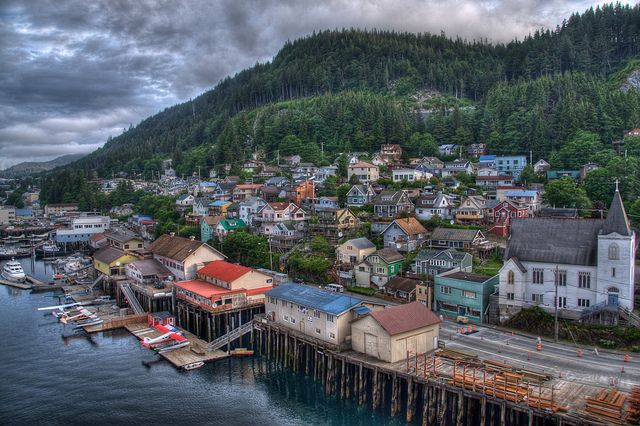


Leave a Reply