
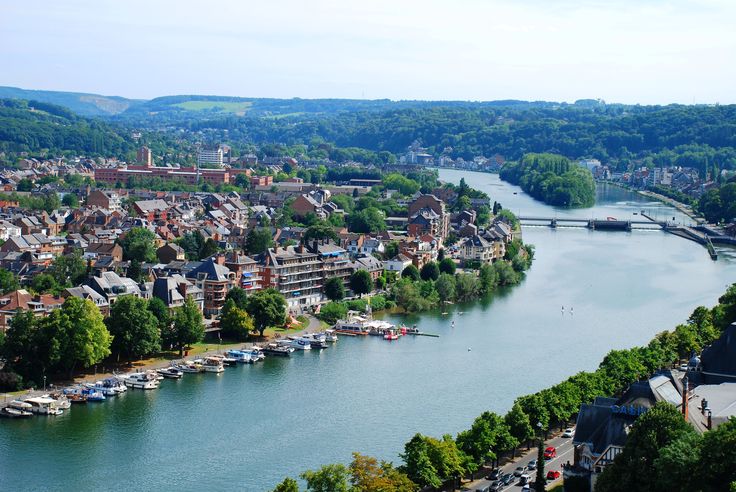

Belgium, a charming country in the heart of Europe, is a treasure trove of sights and experiences that beckon travelers from around the globe. With its rich history, diverse culture, and stunning architecture, Belgium offers a plethora of attractions that are a must-see for any visitor.
The Grand Place, located in Brussels, is a magnificent square that is renowned for its decorative and aesthetic wealth. The square is surrounded by opulent guildhalls and the striking Town Hall, showcasing the country’s architectural prowess. This UNESCO World Heritage Site is especially captivating during the biennial Flower Carpet event, where the square is adorned with a stunning display of begonias.
Bruges, often referred to as the Venice of the North, is another jewel in Belgium’s crown. The city’s canals offer a serene and picturesque setting, perfect for boat tours that provide a unique perspective on the medieval buildings and bustling market squares. The Belfry of Bruges and the Basilica of the Holy Blood are just a couple of the historical landmarks that add to the city’s fairy-tale ambiance.
Not far behind in historical significance is the city of Ghent, with its Gravensteen castle and well-preserved old town. The castle offers a glimpse into the past with its museum and panoramic views of the city. Ghent’s canals and alleyways are lined with quaint cafes and shops, making it a delightful place to explore on foot.
Belgium is also famous for its culinary delights, with chocolate, waffles, and beer being integral to the Belgian experience. Visitors can indulge in chocolate tours in Bruges, beer and brewery tours in various cities, and enjoy the local cuisine that is a blend of tradition and innovation.
In summary, Belgium is a country that may be small in size but is vast in the experiences it offers. From the historic streets of Bruges and Ghent to the grandeur of Brussels’ Grand Place, Belgium is a country that promises to leave visitors enchanted and yearning for more. For a comprehensive guide to Belgium’s top attractions and activities, here is an in-depth look at the must-see sights across the country.
Table Of Contents
- Brussels
- Grand Place
- Bruges
- Citadelle de Dinant
- Pairi Daiza
- Explore Belgium’s Castles
- Horta Museum
- Ardennes
- Antwerp
- Antwerp Zoo
- Circuit of Spa-Francorchamps
- Waterloo Battlefield Tours
- Belgium Christmas Markets
- Namur
Brussels
Brussels, the capital of Belgium and the administrative center of the European Union, is a dynamic city that blends historical charm with modern sophistication. Renowned for its art, architecture, and world-class cuisine, Brussels is a top tourist destination for those seeking a mix of cultural exploration and cosmopolitan experiences.

1. Historical Landmarks and Attractions
One of Brussels’ most iconic landmarks is the Grand Place (Grote Markt), a UNESCO World Heritage site. Surrounded by opulent guildhalls, this central square is the heart of the city and hosts festivals, markets, and events throughout the year. Close by is the famous Manneken Pis, a small bronze statue symbolizing the city’s quirky sense of humor.

For those interested in European history, a visit to the Royal Palace of Brussels and the nearby Parc de Bruxelles offers a glimpse into Belgium’s royal heritage. The Atomium, a striking futuristic structure built for the 1958 World Expo, is another must-see, offering panoramic views of the city from its top sphere.
2. Art and Architecture
- Brussels is a treasure trove of art and architecture. The city is known for its Art Nouveau buildings, many designed by renowned architect Victor Horta, whose former residence is now the Horta Museum. Strolling through the neighborhoods of Ixelles and Saint-Gilles, you’ll encounter beautiful facades and intricate designs that are a testament to the city’s artistic past.

- Royal Museums of Fine Arts of Belgium (Brussels): The Royal Museums of Fine Arts in Brussels is one of the country’s most prestigious cultural institutions. This extensive complex includes multiple museums such as the Museum of Ancient Art and the Museum of Modern Art, offering an impressive collection of works by renowned artists like Peter Paul Rubens, Rene Magritte, and Antoine Wiertz. The Magritte Museum, dedicated to the surrealist artist, is particularly popular, drawing art lovers from around the globe. A visit to these museums provides a deep understanding of Belgian and European art from the 15th century to the present day.
- Royal Belgian Institute of Natural Sciences (Brussels): For those interested in science and natural history, the Royal Belgian Institute of Natural Sciences in Brussels is must-see. The museum is home to the largest dinosaur gallery in Europe, featuring a vast collection of Iguanodon skeletons. The exhibits cover a range of topics, including geology, biology, and anthropology, making it a fascinating stop for families and curious travelers alike.

3. Culinary Delights
Brussels is a paradise for food lovers. The city is famous for its Belgian waffles, chocolates, and frites (fries), but it also boasts a thriving gastronomic scene with Michelin-starred restaurants and traditional Belgian brasseries. For chocolate enthusiasts, visiting a local chocolatier like Pierre Marcolini or Neuhaus is a must, while beer aficionados can explore the rich variety of Belgian brews, from Trappist ales to lambics.


Don’t forget to try moules-frites (mussels with fries), one of Belgium’s national dishes, served in many restaurants throughout the city.
4. Museums and Cultural Experiences
Brussels is home to a wide array of museums, catering to diverse interests.
Musee des Instruments de Musique (MIM) (Brussels): The Musee des Instruments de Musique (MIM) in Brussels is housed in an Art Nouveau masterpiece and offers a fascinating collection of musical instruments from around the world. The museum’s exhibits allow visitors to experience the history and diversity of music, with some interactive displays that let you hear the sounds of ancient and modern instruments. The rooftop cafe also provides stunning views of Brussels, adding to the appeal of this unique museum.

The Belgian Comic Strip Center is another popular attraction, celebrating Belgium’s rich comic book tradition with characters like Tintin and The Smurfs.
Additionally, the European Quarter is home to the European Parliament and the Parlamentarium, where visitors can learn about the workings of the European Union and the continent’s political landscape.
5. Festivals and Events
Throughout the year, Brussels hosts a variety of festivals and events that highlight the city’s cultural diversity. The Brussels Summer Festival offers concerts, street performances, and cultural activities, while the Christmas Market transforms the city into a winter wonderland, with festive stalls, an ice-skating rink, and dazzling light displays.

Every two years, the Brussels Flower Carpet covers the Grand Place with a vibrant display of flowers, drawing visitors from all over the world.
6. Shopping and Nightlife
Brussels offers excellent shopping opportunities, from luxury boutiques along Avenue Louise to quirky shops in the Sablon district, where antique dealers and chocolatiers line the cobblestone streets. The city is also known for its lively flea markets, particularly at Place du Jeu de Balle.

For nightlife, Place Saint-Gery and the Saint-Catherine area are bustling with trendy bars and clubs, offering everything from craft cocktails to live music. Belgian beer bars like Delirium Cafe, known for its extensive beer menu, are a popular spot to experience the local brew culture.
Conclusion
Brussels offers a rich tapestry of cultural, historical, and modern attractions that make it a compelling destination for tourists. Whether you are marveling at its architectural gems, indulging in its culinary delights, or exploring its vibrant neighborhoods, the city promises a memorable experience filled with both charm and sophistication. As a crossroads of Europe, Brussels serves as the perfect base for exploring the rest of Belgium and beyond.
Grand Place
The Grand Place (Grote Markt), located in the heart of Brussels, is one of the most iconic landmarks in Belgium and a must-see destination for tourists visiting the city. This UNESCO World Heritage site is renowned for its stunning architecture, rich history, and cultural significance, making it one of the most beautiful squares in Europe.

1. Architectural Marvel
The Grand Place is surrounded by opulent guildhalls, the Brussels Town Hall, and the Maison du Roi (King’s House), which together create a breathtaking architectural ensemble. The buildings reflect a blend of Gothic, Baroque, and Louis XIV styles, showcasing the craftsmanship and artistic heritage of the city. Each guildhall was historically the headquarters of a different trade or profession, with elaborate facades adorned with gold accents, intricate sculptures, and carvings.
The Brussels Town Hall is the centerpiece of the square, with its towering spire and detailed statues of saints and figures of historical significance. Built in the early 15th century, it is a stunning example of Gothic architecture and remains one of the most important buildings in Belgium.
2. Historical Significance
The Grand Place has played a central role in Brussels’ history, serving as the city’s main market square and the site of many public events and celebrations. In the late 17th century, much of the square was destroyed by a bombardment during the Nine Years’ War, but it was meticulously rebuilt by the city’s guilds, leading to the rich architectural variety that we see today.
Today, the square continues to serve as a gathering place for both locals and tourists and is the site of numerous cultural and civic events.
3. Cultural Events and Attractions
The Grand Place hosts several significant events throughout the year, drawing visitors from all over the world. One of the most popular events is the Flower Carpet, held every two years in August. During this event, the square is covered with a magnificent carpet of flowers, typically begonias, creating a vibrant and intricate design that lasts for just a few days.
Other annual events include the Brussels Christmas Market, where the square is illuminated with festive lights and decorations, and a giant Christmas tree takes center stage. The market features traditional Belgian treats, artisanal goods, and a lively atmosphere.
The Ommegang Festival, held in the summer, is another highlight, with a historical parade reenacting the arrival of Emperor Charles V in Brussels. Participants dress in period costumes, bringing history to life within the stunning setting of the Grand Place.
4. Museum and Dining Experience
Visitors to the Grand Place can also explore the Museum of the City of Brussels, located in the Maison du Roi. The museum offers fascinating exhibits on the history of the city, including the story of the Grand Place itself and the famous Manneken Pis, whose costumes are displayed here.
Surrounding the square, numerous cafes and restaurants provide a perfect spot for travelers to relax and enjoy the view. Dining in one of the outdoor terraces gives visitors the opportunity to soak in the ambiance of this historic location while savoring traditional Belgian dishes like moules-frites (mussels with fries) or indulging in world-famous Belgian waffles and chocolates.
5. Accessibility and Tips
The Grand Place is easily accessible from anywhere in Brussels, as it’s located near the city’s central train station, Brussels Central. It’s a short walk from other major attractions like Manneken Pis, the Royal Gallery of Saint Hubert, and Mont des Arts.

The square is a lively place to visit during both day and night, but it’s especially magical after dark when the buildings are illuminated, creating a fairy-tale-like atmosphere.
Conclusion
The Grand Place is more than just a historic square; it’s a living testament to Brussels’ rich cultural heritage and architectural grandeur. Whether you’re marveling at its artistic details, enjoying a cultural event, or simply taking in the lively atmosphere, the Grand Place offers a quintessential Brussels experience that should not be missed by any visitor. Its beauty and history make it one of the most beloved and photographed landmarks in all of Europe.
Bruges
Bruges, often referred to as the “Venice of the North”, is one of Belgium’s most enchanting and well-preserved medieval cities. With its picturesque canals, cobbled streets, and stunning Gothic architecture, Bruges has become a top destination for tourists seeking a journey through history, culture, and romance.

1. Historical Significance and Architecture
Bruges’ historical center is a UNESCO World Heritage site, known for its well-preserved medieval architecture that transports visitors back in time. The city’s development began as a trading hub in the Middle Ages, and its wealth is reflected in the grandeur of its buildings and landmarks.
The most iconic structure in the city is the Belfry of Bruges, a towering 13th-century bell tower that offers panoramic views of the city. Visitors can climb the 366 steps to the top to take in a breathtaking view of the rooftops, canals, and the surrounding countryside. Below, Market Square (Markt) is the heart of the city, bustling with cafes and lined with colorful gabled houses.
Another key architectural gem is St. Salvator’s Cathedral, which boasts stunning stained-glass windows and an impressive interior. For art lovers, the Church of Our Lady houses Michelangelo’s Madonna and Child, one of the few works by the Renaissance master found outside of Italy.
2. Canal Cruises and Scenic Walks
The canals of Bruges are one of its defining features, often likened to those in Venice. A boat tour through the canals provides visitors with a unique perspective of the city, passing by hidden gardens, centuries-old bridges, and charming historic homes. The waterways reflect the beauty of Bruges’ architecture, especially during sunset, making it a perfect romantic experience.
Alternatively, wandering through the narrow, winding streets on foot allows visitors to explore the city at their own pace. Minnewater Park, also known as the Lake of Love, is a peaceful spot for a scenic stroll, especially near the Beguinage, a tranquil 13th-century complex of whitewashed houses that once housed a community of religious women.
3. Museums and Cultural Attractions
Bruges is home to several fascinating museums that showcase its rich history, art, and culture.

- Groeningemuseum (Bruges): The Groeningemuseum in Bruges is a treasure trove of Flemish and Belgian art. Visitors can explore masterpieces from the Flemish Primitives such as Jan van Eyck and Hans Memling, as well as works from later periods, including Renaissance and Baroque pieces. The museum provides an intimate look at the evolution of Belgian painting and is a highlight for art lovers exploring the medieval city of Bruges.
- For those interested in the city’s maritime and trading history, the Historium Bruges provides an immersive multimedia experience, taking visitors back to Bruges’ Golden Age. The Frietmuseum and Choco-Story Museum offer fun insights into two of Belgium’s beloved culinary traditions: fries and chocolate.
4. Belgian Delicacies and Local Markets
Food is an essential part of the Bruges experience. The city offers numerous opportunities to savor traditional Belgian cuisine, including moules-frites (mussels with fries), stoofvlees (a rich beef stew), and, of course, Belgian waffles and chocolates. Bruges is also a haven for chocolate lovers, with artisanal chocolate shops such as Dumon and The Chocolate Line offering some of the finest handmade chocolates in Belgium.
Bruges is also famous for its traditional beer culture. The De Halve Maan Brewery offers guided tours that explain the city’s brewing heritage and end with a refreshing glass of Brugse Zot, a local brew.
Every Wednesday, the Market Square comes alive with a vibrant market offering fresh produce, local specialties, and handmade crafts. It’s an excellent way to experience the local culture and pick up some authentic Belgian treats or souvenirs.
5. Festivals and Seasonal Highlights
Bruges hosts several festivals and events throughout the year that make the city even more attractive for tourists. The Bruges Beer Festival, held annually, celebrates Belgium’s world-renowned beer culture with tastings of hundreds of local and international brews.
During the winter months, the city transforms into a magical wonderland with its Christmas Market, complete with festive stalls, ice skating, and twinkling lights reflecting off the canals. The romantic setting of Bruges during the holidays is unmatched, making it one of Europe’s top winter destinations.
6. Accessibility and Travel Tips
Bruges is easily accessible by train, just a short trip from Brussels or other major Belgian cities. The compact city center is best explored on foot, but for a unique experience, horse-drawn carriage rides are available for a scenic tour around the historic streets.
Spring and autumn are particularly great times to visit, as the weather is mild, and the city is less crowded compared to the busy summer months. However, Bruges is a year-round destination, with its beauty shining through in every season.
Conclusion
Bruges is a city where history, art, and romance come together to create an unforgettable experience for travelers. From its medieval landmarks and serene canals to its culinary delights and cultural events, the city offers something for every kind of visitor. Whether you’re wandering the cobblestone streets, enjoying a boat ride on the canals, or sampling Belgian chocolates and beer, Bruges is a destination that enchants and inspires.
Citadelle de Dinant
Perched high above the charming town of Dinant, the Citadelle de Dinant is one of Belgium’s most fascinating historical sites and a prime destination for tourists. Offering breathtaking views of the Meuse River and the surrounding Ardennes landscape, this 11th-century fortress is a remarkable attraction for those seeking a mix of history, culture, and scenic beauty.

1. Historical Significance
The Citadelle was originally built in 1051 to protect the town of Dinant and control access to the Meuse River. Over the centuries, it was expanded and fortified, playing a pivotal role in numerous military conflicts, including the Napoleonic Wars and World War I. Today, the fortress stands as a testament to Dinant’s turbulent history, offering visitors a chance to step back in time and explore its well-preserved structures.
The Museum within the Citadelle showcases the history of the fortress and the region, with exhibits detailing the various military campaigns, historical artifacts, and stories from the past. Particularly moving is the section dedicated to the Battle of Dinant during World War I, when the town and the Citadelle suffered significant damage.
2. Panoramic Views and Scenery
One of the Citadelle’s most attractive features is its commanding view over Dinant and the picturesque Meuse Valley. From the ramparts, visitors can take in sweeping vistas of the town’s iconic landmarks, such as the Collegiate Church of Notre-Dame, the bridge lined with saxophone statues, and the rolling hills of the Ardennes.
The scenic cable car ride that connects the Citadelle to the town below is a popular way to access the fortress and offers a unique perspective of Dinant as you ascend. Alternatively, more adventurous visitors can choose to climb the 408 steps leading up from the town to the fortress.
3. Guided Tours and Exhibits
The Citadelle offers guided tours that provide in-depth insights into its historical significance and architecture. Visitors can explore the barracks, prison cells, and underground passages, which once housed soldiers and prisoners. The tour also includes a visit to the arms rooms and a dramatic reconstruction of the life of soldiers during the fortress’s active days.
One of the highlights of the tour is the WWI trench exhibit, where visitors can experience a detailed reconstruction of what life was like for soldiers during the Great War. The exhibition gives a sense of the hardships faced during one of Europe’s darkest periods.
4. Family-Friendly Activities
The Citadelle is also a family-friendly destination, offering engaging activities for children and adults alike. There are interactive exhibits that make history come alive, and during the summer months, the fortress often hosts special events and reenactments that depict historical battles and daily life in the fortress.
A playground area within the Citadelle grounds allows children to burn off energy while parents can relax and enjoy the views.
5. Accessibility and Travel Tips
Dinant is easily accessible by train from Brussels and other major Belgian cities, making it an ideal day trip for tourists exploring the region. Once in Dinant, the Citadelle is just a short walk or cable car ride from the town center. The Citadelle is open year-round, but the best time to visit is during the warmer months when the weather is pleasant for outdoor exploration.
For those planning a visit, it’s advisable to wear comfortable shoes, especially if you plan to climb the steps up to the fortress. The Citadelle offers on-site dining options, and visitors can enjoy traditional Belgian cuisine while overlooking the stunning Meuse River valley.
6. Beyond the Citadelle
While the Citadelle is a key highlight of Dinant, the town itself has much to offer. Visitors can explore the Collegiate Church of Notre-Dame, known for its unique onion-shaped dome, or pay homage to Adolphe Sax, the inventor of the saxophone, who was born in Dinant. The town’s streets are dotted with saxophone statues, paying tribute to its musical heritage.
Boat tours along the Meuse River are another popular activity, offering a relaxing way to see the town and its surrounding cliffs from a different perspective.
Conclusion
The Citadelle de Dinant is not just a fortress; it’s a journey through Belgian history, set against one of the most picturesque backdrops in the country. With its rich history, panoramic views, and engaging tours, the Citadelle provides visitors with a deep understanding of the region’s past while offering a memorable and scenic experience. Whether you’re a history enthusiast, a family looking for adventure, or simply a traveler seeking beautiful views, the Citadelle de Dinant is a must-visit attraction in Belgium.
Pairi Daiza
Pairi Daiza, located in Brugelette, Belgium, is a world-renowned zoo and botanical garden that offers visitors a unique opportunity to explore wildlife, culture, and nature in one extraordinary setting. Covering 65 hectares, Pairi Daiza is not just a traditional zoo; it’s a beautifully designed park that immerses visitors in different environments from across the globe, making it one of Belgium’s top tourist attractions.
1. An Immersive Global Experience
Pairi Daiza is divided into thematic zones, each representing different continents and ecosystems. From the lush jungles of Southeast Asia to the arid deserts of Africa, visitors can journey through a wide range of habitats. These zones are meticulously designed to not only house the animals but also to recreate the architecture, culture, and atmosphere of their native regions.
For example, The Middle Kingdom is an impressive Chinese garden featuring traditional temples, pagodas, and waterfalls, while The Land of Origins transports visitors to the African savanna, complete with giraffes, lions, and elephants. The park’s Indonesian zone showcases traditional Balinese architecture, surrounded by tropical plants and home to Komodo dragons and orangutans.

2. Incredible Biodiversity
Pairi Daiza is home to over 7,000 animals from 700 species, ranging from giant pandas and gorillas to tigers and polar bears. One of the park’s standout attractions is its Giant Panda Pavilion, which houses Hao Hao and Xing Hui, two giant pandas on loan from China, making Pairi Daiza one of the few zoos in Europe where visitors can see these rare animals.
Another highlight is The Land of the Cold, where visitors can observe arctic animals such as polar bears, walruses, and penguins in environments carefully designed to mimic their natural habitats. The park is also famous for its aquariums, where marine life from around the world, including sharks, rays, and tropical fish, can be admired up close.

3. Botanical Gardens
Beyond its impressive collection of animals, Pairi Daiza is also a botanical paradise. The park is home to over 5,000 species of plants, with lush gardens that feature rare and exotic flora from all corners of the globe. Visitors can stroll through Japanese Zen gardens, tropical greenhouses, and beautifully manicured rose gardens. Each zone not only reflects the wildlife of the region but also its plant life, providing a holistic and immersive experience.
The gardens are meticulously designed and maintained, offering a peaceful escape and a place for relaxation amidst the excitement of the animal exhibits. The changing seasons bring new colors and scents to the gardens, making every visit a different experience.
4. Conservation and Education
Pairi Daiza is heavily involved in wildlife conservation efforts, both locally and globally. The park participates in international breeding programs for endangered species, including its giant pandas, white rhinos, and bonobos. Visitors can learn about these conservation efforts through informative displays and educational programs, which highlight the importance of protecting endangered species and their natural habitats.
In addition to its conservation work, Pairi Daiza offers educational experiences for visitors of all ages. The park organizes guided tours, workshops, and animal feeding sessions, where visitors can learn more about the animals, their behavior, and the ecosystems they come from.
5. Family-Friendly Attractions and Experiences
Pairi Daiza is a perfect destination for families, with plenty of attractions and activities to keep children engaged. The park offers play areas, interactive exhibits, and opportunities for close-up encounters with animals, including the popular petting zoo where children can interact with farm animals like goats, sheep, and rabbits.
For those seeking a truly unique experience, Pairi Daiza offers the opportunity to stay overnight in one of its on-site lodges, located near the animal enclosures. Guests can choose from accommodations like treehouses or cabins overlooking the wolves, bears, or tigers, offering an unforgettable night surrounded by nature and wildlife.
6. Seasonal Highlights and Events
Pairi Daiza is open year-round, with seasonal changes bringing new attractions and events. During the spring and summer, the gardens are in full bloom, and the park hosts cultural festivals, including traditional Chinese celebrations in The Middle Kingdom or African music performances in The Land of Origins.
In the winter months, Pairi Daiza transforms into a magical winter wonderland. The park is beautifully lit with Christmas lights, and festive events, including a holiday market and ice-skating, make it a perfect winter destination for families and couples.
7. Accessibility and Travel Tips
Pairi Daiza is located in Brugelette, about an hour’s drive from Brussels, and is easily accessible by car or public transport. The park offers ample parking, as well as a shuttle service from the nearby train station.
Visitors should plan to spend a full day exploring the park, as its vast size and variety of exhibits make it difficult to see everything in just a few hours. Comfortable walking shoes are recommended, as there is plenty of ground to cover.
Conclusion
Pairi Daiza is more than just a zoo; it’s an immersive journey through the natural and cultural wonders of the world. With its diverse animal species, stunning botanical gardens, and rich educational programs, it offers something for visitors of all ages. Whether you’re a wildlife enthusiast, a family looking for adventure, or simply someone seeking a beautiful and peaceful environment, Pairi Daiza is a must-visit destination in Belgium.
Explore Belgium’s Castles
Belgium is home to some of the most enchanting castles in Europe, offering travelers a unique glimpse into the country’s rich history, aristocratic heritage, and architectural grandeur. With over 3,000 castles scattered throughout its landscape, Belgium boasts a higher density of castles than any other country in the world. Whether you’re a history enthusiast, an architecture lover, or simply someone seeking a fairy-tale experience, Belgium’s castles are a must-visit for any tourist.
1. Castle of Gaasbeek
Located just outside Brussels, the Castle of Gaasbeek is one of Belgium’s most impressive and well-preserved castles. Originally built in the 13th century, this medieval fortress has evolved over the centuries into a lavish Renaissance-style residence. Surrounded by beautifully manicured gardens and a peaceful park, Gaasbeek Castle offers visitors the chance to explore its opulent interiors, including grand rooms adorned with tapestries, paintings, and antique furniture.

The castle also houses a museum that regularly hosts exhibitions, offering insights into Belgian nobility, art, and culture. Visitors can take guided tours through its richly decorated halls or stroll through the gardens and orchards that form part of the estate.
2. Gravensteen Castle
Gravensteen, also known as the Castle of the Counts, is a striking medieval fortress located in the heart of Ghent. Built in the late 12th century by Count Philip of Alsace, it was designed as a symbol of power and control over the region. Today, it stands as one of Belgium’s most popular tourist attractions, offering a fascinating journey through medieval history.

Visitors can explore the castle’s stone walls, towers, and dungeons while enjoying panoramic views of the city from the top of the ramparts. The castle’s museum showcases medieval weaponry, armor, and torture devices, providing a glimpse into the darker side of medieval life. The annual Gravensteen Medieval Festival brings the castle to life with reenactments, jousting, and traditional music, making it a dynamic attraction for tourists.
3. Castle of Bouillon
Nestled in the scenic Ardennes region, the Castle of Bouillon is one of the oldest and most historically significant castles in Belgium. Dating back to the 10th century, it was the seat of Godfrey of Bouillon, the leader of the First Crusade. Perched on a rocky hill overlooking the Semois River, the castle’s strategic location made it a formidable defensive stronghold.

Today, visitors can explore its labyrinth of tunnels, towers, and underground chambers, learning about its role in both medieval and Crusader history. The castle also offers a stunning view of the surrounding Ardennes Forest, making it a popular destination for nature lovers and history buffs alike. Night tours of the castle, illuminated by torchlight, provide an atmospheric and unforgettable experience.
4. Veves Castle
For those seeking a true fairy-tale castle experience, Veves Castle near Dinant is a perfect choice. Known for its elegant turrets and conical roofs, this 15th-century castle looks like something straight out of a storybook. The castle has been owned by the same noble family for centuries, and its interiors reflect the luxurious lifestyle of the aristocracy.
Veves Castle offers guided tours of its lavish rooms, filled with period furniture, tapestries, and art. Children can dress up as knights and princesses during their visit, adding an element of fantasy to the experience. The surrounding countryside is ideal for hiking, and the nearby town of Dinant offers additional attractions such as the Citadelle de Dinant and the Collegiate Church of Notre-Dame.
5. Modave Castle
Situated on a rocky outcrop in the Meuse Valley, Modave Castle is a stunning example of Baroque architecture. Dating back to the 17th century, the castle is renowned for its beautifully preserved interiors, including grand halls, richly decorated ceilings, and intricate woodwork. The castle’s gardens, featuring fountains, ponds, and terraces, provide a peaceful setting for a leisurely walk.

Modave Castle is open to the public for guided tours, during which visitors can explore the luxurious rooms that once housed Belgian nobility. The castle is also known for its connection to engineering history, as the estate contains a 17th-century water wheel system designed by Rene de Modave, a precursor to modern hydraulic engineering.
6. Alden Biesen Castle
Located near the Dutch border, Alden Biesen Castle is a former Landcommanderij of the Teutonic Knights. This impressive estate was built in the 16th century and served as the headquarters for the knights in the region. Today, it is a cultural and conference center, hosting events, exhibitions, and festivals throughout the year.

The castle’s extensive grounds include formal gardens, orchards, and a chapel, making it an ideal destination for those interested in both history and horticulture. Alden Biesen’s annual flower festival is a major draw for tourists, showcasing the work of top European floral designers. The castle also hosts medieval-themed events, reenactments, and concerts that bring its history to life.
7. Freyr Castle
Known for its beautiful Renaissance architecture and spectacular formal gardens, Freyr Castle is located along the banks of the Meuse River, near Dinant. The castle was originally built in the 16th century and has been owned by the same noble family for generations. Its gardens, inspired by Versailles, feature meticulously trimmed hedges, fountains, and a maze, making it a must-visit for garden lovers.

Visitors can tour the castle’s grand rooms, which are filled with antique furniture, tapestries, and paintings. The terraces overlooking the Meuse River offer stunning views of the surrounding landscape, and the peaceful setting makes Freyr Castle a popular spot for weddings and special events.
Conclusion
Belgium’s castles are not just relics of the past but living monuments that offer visitors a chance to experience the country’s rich history and architectural splendor. Whether you’re exploring the medieval fortifications of Gravensteen, marveling at the Renaissance elegance of Modave Castle, or getting lost in the fairy-tale charm of Veves Castle, Belgium’s castles provide a diverse and enchanting journey for tourists. With their beautiful settings, historical significance, and year-round activities, these castles are essential stops on any Belgian travel itinerary.
Horta Museum
The Horta Museum in Brussels, Belgium, is a must-visit for art and architecture enthusiasts, particularly those who admire the Art Nouveau movement. Dedicated to the life and work of Victor Horta, one of the most influential architects of the late 19th and early 20th centuries, the museum offers a fascinating glimpse into the creative genius behind some of Brussels’ most iconic buildings.
1. Historical Significance
Victor Horta is considered one of the founding figures of Art Nouveau, a style characterized by organic forms, flowing lines, and innovative use of materials like glass and iron. The Horta Museum is housed in Horta’s former home and studio, which he designed himself between 1898 and 1901. These buildings are masterpieces of Art Nouveau design and are recognized as UNESCO World Heritage Sites.

The museum consists of two adjacent townhouses, located in the Saint-Gilles district of Brussels. They remain remarkably well-preserved, offering visitors the chance to experience the opulence and elegance of Horta’s vision. Every detail of the architecture, from the sweeping curves of the staircases to the intricate stained-glass windows, reflects Horta’s dedication to craftsmanship and artistic harmony.
2. Architectural Masterpiece
The architecture of the Horta Museum is itself a work of art. Visitors are immediately struck by the graceful lines, open spaces, and seamless integration of decorative elements into the structure. The use of natural light is a hallmark of Horta’s work, and the museum’s glass windows, skylights, and mirrors create a bright and airy interior.
Horta’s use of wrought iron, with its sinuous and organic shapes, is particularly notable throughout the building. The decorative ironwork is used not only in practical elements like railings and door handles but also as artistic features that enhance the overall aesthetic. This attention to detail and harmony of form and function is what makes Horta’s work so influential in the Art Nouveau movement.
3. The Museum Experience
Inside the Horta Museum, visitors can explore Horta’s personal world. The rooms are furnished with original pieces designed by Horta himself, including furniture, light fixtures, and decorative elements, all crafted in the Art Nouveau style. The interiors reflect the height of early 20th-century design, with an emphasis on fluidity, nature-inspired motifs, and a seamless blend of artistry and functionality.
The museum offers a self-guided tour through the different rooms, including the dining room, living room, bedrooms, and Horta’s studio, where much of his creative work took place. Visitors can see how Horta’s designs extend beyond architecture to encompass every aspect of daily life, with custom-designed furniture, art, and even stained-glass windows, all featuring his signature flowing lines and organic shapes.
4. Exhibitions and Cultural Programs
In addition to the permanent collection, the Horta Museum frequently hosts temporary exhibitions related to Art Nouveau, architecture, and design. These exhibitions often showcase works by Horta’s contemporaries or explore the broader context of the Art Nouveau movement in Europe.
The museum also organizes cultural programs, including lectures, guided tours, and workshops that offer deeper insights into Horta’s architectural philosophy and the historical significance of Art Nouveau. These programs provide an enriching experience for visitors interested in learning more about the evolution of modern architecture and design.
5. Nearby Attractions
The Horta Museum is located in a charming neighborhood that reflects the architectural diversity of Brussels. Visitors can enjoy a leisurely stroll through the nearby streets, many of which feature additional examples of Art Nouveau architecture. Other notable Horta-designed buildings, such as the Hotel Tassel, Hotel Solvay, and Maison & Atelier Horta, are within walking distance or a short tram ride away, making it easy to extend your Art Nouveau exploration in Brussels.
6. Practical Information for Tourists
- Location: The Horta Museum is located at 25 Rue Americaine, Saint-Gilles, Brussels.
- Opening Hours: The museum is typically open from Tuesday to Sunday, but it’s advisable to check the official website for any changes in opening hours or closures.
- Admission: The museum charges a small entrance fee, with discounts available for students, seniors, and groups. Children under 6 can often visit for free.
- Accessibility: Due to the historic nature of the building, the museum may have limited accessibility for visitors with mobility issues. It’s recommended to contact the museum in advance to confirm accessibility options.
- Guided Tours: While the museum offers self-guided tours, group tours can be arranged by appointment, providing an in-depth experience led by knowledgeable guides.
Conclusion
The Horta Museum is a must-see for anyone visiting Brussels who appreciates architectural beauty, artistic innovation, and the legacy of Art Nouveau. Through its detailed interiors, immersive atmosphere, and dedication to preserving Victor Horta’s legacy, the museum offers an unforgettable journey into one of the most transformative periods in European art and design.
Ardennes
The Ardennes region in Belgium is a lush, forested area known for its rolling hills, rugged terrain, and picturesque villages. Located in the southeastern part of the country, the Ardennes are a prime destination for tourists seeking outdoor adventure, scenic beauty, and historic charm. Whether you’re an avid hiker, a history buff, or simply looking for a peaceful retreat in nature, the Ardennes offer a wealth of activities and experiences.

1. Outdoor Adventures
The Ardennes are synonymous with outdoor adventure. Its dense forests, winding rivers, and dramatic landscapes provide the perfect backdrop for a range of activities.

- Hiking and Biking: The region is crisscrossed by a network of trails that cater to all levels of hikers and cyclists. Popular routes include the Sentier des Nutons in Houffalize and the Ninglinspo Trail, known for its streams and waterfalls. The Transardennaise trail is a well-known long-distance hiking path, stretching over 160 km, offering breathtaking views and diverse terrain.
- Kayaking and Canoeing: The Lesse and Semois rivers are ideal for kayaking and canoeing, especially during the warmer months. These waterways wind through steep valleys and dense forests, offering a peaceful yet thrilling way to explore the region’s natural beauty.
- Rock Climbing and Caving: For the more adventurous, the Ardennes is a hub for rock climbing and spelunking. Rochers de Freyr, near Dinant, is one of the most popular rock-climbing spots in Belgium, with stunning views over the Meuse River. The region’s many caves, such as the Caves of Han, are also popular for exploration, showcasing impressive underground formations.
2. Scenic Villages and Towns
While the Ardennes is famed for its natural beauty, its charming towns and villages are equally appealing. These settlements offer a glimpse into the region’s rich history and culture.

- Durbuy: Often called the “smallest town in the world”, Durbuy is a picturesque medieval town nestled in the Ardennes. Its cobbled streets, half-timbered houses, and beautiful riverside setting make it a popular stop for tourists. Durbuy is also known for its topiary park, which features over 250 sculpted plants.
- La Roche-en-Ardenne: Known as the “Pearl of the Ardennes”, La Roche-en-Ardenne is a quaint town famous for its medieval castle ruins perched on a hill overlooking the town and river. Visitors can explore the castle, which dates back to the 9th century, and enjoy the panoramic views of the surrounding area.
- Bouillon: Another historic town in the Ardennes is Bouillon, which is home to the imposing Bouillon Castle, one of the best-preserved medieval castles in Belgium. The town is also a great base for hiking and exploring the Semois Valley.

3. War History and Battlefields
The Ardennes played a significant role in European history, particularly during World War II, as the site of the Battle of the Bulge. History enthusiasts can visit numerous museums, memorials, and battlefields that commemorate this pivotal moment in the war.

- Bastogne: The town of Bastogne is a key destination for those interested in World War II history. The Bastogne War Museum offers an in-depth look at the Battle of the Bulge, and the nearby Mardasson Memorial honors the American soldiers who fought in the battle.
- La Gleize: In La Gleize, the December 44 Museum showcases artifacts and stories from the Battle of the Bulge. Visitors can also see an actual German King Tiger tank, a rare remnant of the war.
4. Wildlife and Nature Reserves
The Ardennes is home to a variety of wildlife, and its national parks and nature reserves are perfect for those looking to connect with nature.
- High Fens-Eifel Nature Park: This unique upland area, which straddles the Belgian-German border, is the largest nature reserve in Belgium. Known for its peat bogs, moors, and forested hills, the High Fens is a haven for birdwatchers and nature lovers.
- Hoge Kempen National Park: Although not in the heart of the Ardennes, Hoge Kempen National Park is another stunning natural area in Belgium. Its vast pine forests and heathland provide a different type of landscape compared to the Ardennes, making it a great destination for those seeking diverse natural environments.
5. Cuisine and Local Delicacies
The Ardennes region is also known for its hearty cuisine, influenced by its rural and forested surroundings.
- Ardennes Ham: One of the region’s most famous products is Jambon d’Ardenne, a dry-cured ham made using traditional methods. It is often served as an appetizer or part of a charcuterie board.
- Game Dishes: The region’s forests provide an abundance of wild game, and many local restaurants serve dishes such as venison, wild boar, and rabbit.
- Trappist Beer: The Ardennes are home to several Trappist breweries, where monks produce world-renowned beers. The Orval and Rochefort abbeys are two of the most famous, offering tours and tastings for beer enthusiasts.
Conclusion
The Ardennes region is a must-visit for those looking to experience Belgium’s natural beauty, historic towns, and outdoor adventures. Whether hiking through its forests, exploring its medieval castles, or learning about its role in World War II, the Ardennes offers a rich and varied experience for tourists. Its peaceful villages, scenic landscapes, and abundant wildlife make it a perfect destination for travelers seeking both relaxation and adventure in the heart of Europe.
Antwerp
Antwerp, the largest city in the Belgian province of the same name, is a dynamic destination that effortlessly blends rich history with contemporary flair. Renowned as a major cultural and economic hub, Antwerp offers a plethora of attractions, from stunning architecture and world-class museums to a thriving fashion scene and delicious culinary offerings. Whether you’re an art lover, a history enthusiast, or simply looking to explore a vibrant urban landscape, Antwerp has something to captivate every visitor.

1. Historical Significance
Antwerp’s history dates back to the Middle Ages, and its strategic location along the Scheldt River has made it a vital trading port throughout the centuries. The city flourished during the 16th century, becoming one of Europe’s leading centers for trade, art, and culture. This rich history is reflected in its stunning architecture, particularly in the Grote Markt, Antwerp’s central square, which features the impressive Town Hall and beautifully ornate guild houses.
2. Architectural Marvels
One of the city’s most iconic landmarks is the Cathedral of Our Lady (Onze-Lieve-Vrouwekathedraal), a UNESCO World Heritage site. This magnificent Gothic cathedral is home to several masterpieces by the Baroque painter Peter Paul Rubens, who was born in Antwerp. Visitors can admire Rubens’ works and explore the cathedral’s stunning stained-glass windows and intricate altars.

Another architectural gem is the Antwerp Central Station, often regarded as one of the most beautiful train stations in the world. Its grandiose facade, opulent interior, and majestic dome make it a must-see for tourists. Nearby, the Zoo Antwerpen offers a charming experience, especially for families, showcasing a wide range of animals in a historic setting.
3. Cultural Hotspot
Royal Museum of Fine Arts
Antwerp is also a cultural treasure trove, boasting a wealth of museums and galleries. The Royal Museum of Fine Arts features an extensive collection of Flemish and Belgian art, while the Rubenshuis, the former home and studio of Peter Paul Rubens, provides insight into the life and work of this celebrated artist.

Plantin-Moretus Museum (Antwerp)
A UNESCO World Heritage Site, the Plantin-Moretus Museum in Antwerp offers a glimpse into the history of printing and bookmaking. The museum is located in the former home and printing workshop of the famous printer Christophe Plantin. Visitors can see original printing presses, rare books, and manuscripts, offering a unique perspective on the history of publishing and the development of the printed word.

Museum aan de Stroom (MAS) (Antwerp)
In the bustling port city of Antwerp, the Museum aan de Stroom (MAS) stands out as a modern architectural marvel. This museum explores the connections between Antwerp, the world, and its history, focusing on themes like international trade, cultural exchange, and migration. Visitors can enjoy panoramic views of the city from the museum’s rooftop, making it both a cultural and scenic destination. The exhibits at MAS span various themes, making it a diverse and intriguing experience for tourists of all interests.

For contemporary art lovers, the M HKA (Museum of Contemporary Art) showcases cutting-edge exhibitions by both Belgian and international artists. The city also hosts numerous festivals and events throughout the year, including the Antwerp Fashion Festival, which celebrates its status as a fashion capital.
4. Fashion and Shopping
Speaking of fashion, Antwerp is famous for its avant-garde fashion scene, largely thanks to the Antwerp Six, a group of influential designers who emerged in the 1980s. The Fashion Museum (MoMu) highlights the city’s fashion history and innovation, offering exhibitions that showcase both established and emerging designers.
The Meir, Antwerp’s main shopping street, features a mix of high-end boutiques, popular brands, and unique local shops. For a more eclectic shopping experience, the Antwerp Vintage Market is a treasure trove of vintage clothing and accessories, perfect for finding unique souvenirs.

For a unique experience, the Antwerp Diamond District offers a chance to learn about the city’s historical connection to the diamond trade. Visitors can explore workshops and boutiques where skilled artisans craft stunning jewelry.
5. Culinary Delights
Antwerp’s culinary scene is as diverse as its culture. The city is known for its delicious Belgian specialties, including waffles, chocolate, and moules-frites (mussels and fries). Visitors can indulge in a meal at one of the many charming bistros or upscale restaurants, where local ingredients are celebrated.
6. Practical Information for Tourists
- Getting There: Antwerp is easily accessible by train, car, and bus. It is well-connected to major Belgian cities like Brussels and Ghent, making it a convenient stop on a broader itinerary.
- Best Time to Visit: Spring and early autumn are ideal times to visit, as the weather is pleasant, and outdoor festivals and events are plentiful. The city also hosts a beautiful Christmas market during the holiday season.
- Accommodation: From luxury hotels to cozy bed-and-breakfasts, Antwerp offers a variety of accommodation options to suit all budgets. Staying in the city center allows easy access to major attractions.
- Language: Dutch is the primary language spoken in Antwerp, but English and French are widely understood, especially in tourist areas.
Conclusion
Antwerp is a city that embodies the spirit of Belgium, showcasing its rich history, vibrant culture, and modern innovation. With its stunning architecture, world-class museums, and a dynamic culinary scene, Antwerp invites visitors to explore and enjoy its many offerings. Whether you’re wandering the cobbled streets of the old town, admiring the artistry in its museums, or savoring local delicacies, Antwerp promises an unforgettable travel experience.
Antwerp Zoo
The Antwerp Zoo, established in 1843, is one of the oldest and most famous zoos in the world. Located right next to Antwerp’s central train station, it is not only a sanctuary for wildlife but also an architectural and historical landmark. For tourists visiting Belgium, Antwerp Zoo offers an immersive experience into the world of animals, set in a beautifully landscaped park that blends history, education, and conservation.
1. Rich History and Architecture
Antwerp Zoo’s rich history spans over 180 years, and many of its original buildings still stand, showcasing elegant 19th-century architecture. The zoo has been continually modernized to meet the needs of both the animals and the visitors while preserving its historical charm. Notable features include the Egyptian Temple, built in 1856 and designed in an exotic architectural style, and the Flamingo Square, which offers picturesque views and a peaceful ambiance.

2. Diverse Animal Collection
Home to more than 7,000 animals from around the world, Antwerp Zoo has a vast and diverse collection. Visitors can see species from all continents, ranging from Asian elephants, giraffes, and hippopotamuses to rare and endangered animals such as okapis, Malayan tapirs, and bonobos. The zoo places a strong emphasis on conservation, participating in international breeding programs for endangered species.

3. Special Exhibits and Attractions
One of the highlights of Antwerp Zoo is the Aquarium, which showcases a stunning variety of marine life, including tropical fish, coral reefs, and sharks. The zoo’s Nocturama is another unique feature, where visitors can experience the world of nocturnal animals like bats, owls, and lemurs in a dimly lit environment that mimics nighttime conditions.

Other popular exhibits include:
- Big Cats: Home to majestic lions, tigers, and leopards, this exhibit is a favorite for animal lovers.
- Reptile House: Showcasing a range of snakes, lizards, and amphibians, it’s an educational experience for all ages.
- Birds of Paradise: Visitors can enjoy seeing an impressive array of colorful birds, including exotic parrots and birds of prey.

4. Conservation and Education
Antwerp Zoo is not only a tourist destination but also a hub for conservation efforts and scientific research. The zoo is part of various global breeding programs that aim to protect endangered species and reintroduce them into the wild where possible. It also plays an educational role, with a wide range of programs designed for schools, families, and visitors to learn about biodiversity, animal behavior, and environmental sustainability.
The Centre for Research and Conservation (CRC), located within the zoo, is dedicated to the study of animal behavior, genetics, and conservation, making it one of the leading research institutes in Europe.
5. Family-Friendly Experience
The zoo is designed with families in mind, offering numerous activities for children and interactive learning opportunities. Playgrounds, animal feedings, and educational talks are scheduled throughout the day, making it an engaging and fun visit for kids. Restaurants and picnic areas within the zoo allow visitors to enjoy a relaxing meal while surrounded by nature.

6. Seasonal Events and Experiences
Antwerp Zoo hosts seasonal events, including light festivals during the winter months, where the park is transformed into a magical wonderland with stunning light displays. In the summer, the zoo organizes evening tours, allowing visitors to experience the animals in a different light. These events are highly popular among locals and tourists alike.
7. Practical Information for Visitors
- Location: Antwerp Zoo is located right next to Antwerp Central Station, making it easily accessible by train, bus, or car.
- Opening Hours: The zoo is open year-round, typically from 10 AM to 5:30 PM, but hours may vary depending on the season.
- Tickets: Ticket prices vary for adults, children, and seniors, and the zoo offers discounted rates for families and groups. Tickets can be purchased online or at the entrance.
- Best Time to Visit: Spring and summer are ideal times to visit, as the weather is pleasant, and the zoo’s landscaped gardens are in full bloom. However, the zoo offers indoor attractions that make it a great destination in colder months as well.
Conclusion
Antwerp Zoo is not just a place to see animals; it’s a historic and cultural experience that offers something for everyone. With its rich heritage, modern conservation efforts, and diverse exhibits, it provides a perfect blend of education, entertainment, and relaxation. Whether you’re an animal enthusiast, a family with children, or a history lover, Antwerp Zoo is a must-visit destination when exploring Belgium.
Circuit of Spa-Francorchamps
The Circuit of Spa-Francorchamps is one of the most iconic motorsport venues in the world, nestled in the picturesque Ardennes region of Belgium. Known for its challenging layout and stunning scenery, the circuit is a must-visit destination for racing enthusiasts and tourists alike. With a rich history dating back to the early 20th century, Spa-Francorchamps offers a unique blend of thrilling motorsport action and breathtaking landscapes, making it a key highlight on the international racing calendar.

1. A Historic Racing Venue
The circuit was originally established in 1921, and it has undergone numerous modifications and renovations to become the modern track known today. Spa-Francorchamps is renowned for hosting prestigious events, including the Formula 1 Belgian Grand Prix, the 24 Hours of Spa, and various endurance races. Its challenging 7-kilometer layout features famous corners like Eau Rouge and Radillon, which are celebrated for their technical difficulty and high-speed thrills.
Visitors can explore the history of the circuit through various exhibits and memorabilia displayed at the venue, offering insights into the evolution of motorsport and the legendary drivers who have raced here.
2. Spectator Experience
For motorsports fans, attending a race at Spa-Francorchamps is an unforgettable experience. The circuit offers a variety of grandstands and viewing areas, allowing spectators to witness the high-speed action from different vantage points. The atmosphere is electric during race weekends, with fans from around the globe coming together to cheer for their favorite teams and drivers.
In addition to the races, the circuit often hosts fan zones featuring activities, exhibitions, and opportunities to meet racing legends. These events enhance the overall experience, making it accessible and enjoyable for both hardcore fans and casual visitors.

3. Year-Round Activities
While the main events take place during the racing season, Spa-Francorchamps is not just a summer destination. The circuit offers various activities throughout the year, including track days where automotive enthusiasts can experience driving on the iconic track. Visitors can also enjoy guided tours of the circuit, providing a behind-the-scenes look at the facilities, pit areas, and paddocks.
During the winter months, the surrounding Ardennes region offers beautiful hiking and biking trails, making it a perfect year-round getaway for nature lovers. The area is also known for its charming villages, lush forests, and stunning views, adding an extra layer of appeal to a visit.
4. Culinary Delights
The Circuit of Spa-Francorchamps is conveniently located near several towns and villages that offer a taste of authentic Belgian cuisine. From cozy cafes to gourmet restaurants, visitors can indulge in local specialties such as moules-frites (mussels and fries), Belgian waffles, and a variety of delicious chocolates. The nearby town of Spa, famous for its thermal springs, is also worth a visit for its quaint atmosphere and wellness offerings.
5. Practical Information for Tourists
- Getting There: The Circuit of Spa-Francorchamps is easily accessible by car and is located about 90 kilometers from Brussels. Public transport options include trains to the nearby towns of Spa or Stavelot, followed by a short taxi ride to the circuit.
- Best Time to Visit: The racing season typically runs from March to October, with the highlight being the Formula 1 Belgian Grand Prix in late August. However, track days and other events occur throughout the year.
- Accommodation: There are various accommodation options near the circuit, ranging from hotels and guesthouses to campsites during major events. Booking in advance is recommended, especially during race weekends.
- Tickets: Tickets for races and events can be purchased online or at the circuit, but it’s advisable to buy them in advance to secure the best seats and experiences.
Conclusion
The Circuit of Spa-Francorchamps is more than just a racing track; it’s a vibrant destination that combines the thrill of motorsport with the beauty of the Ardennes. Whether you’re a die-hard racing fan or simply looking for a unique experience in Belgium, a visit to Spa-Francorchamps promises excitement, history, and a taste of Belgian culture. With its breathtaking surroundings and exhilarating events, this iconic circuit is a must-visit for anyone exploring the region.
Waterloo Battlefield Tours
The Battle of Waterloo, fought on June 18, 1815, was a pivotal moment in European history, marking the end of the Napoleonic Wars and leading to the downfall of Napoleon Bonaparte. Today, the Waterloo battlefield, located just south of Brussels in Belgium, has become a significant site for history enthusiasts and tourists alike. Guided tours of the battlefield offer visitors an immersive experience, allowing them to step back in time and understand the events that shaped Europe’s future.

1. Exploring the Battlefield
Waterloo is not just a single location but a vast battlefield where multiple armies clashed. Various tour options are available, ranging from short walks to full-day excursions. Knowledgeable guides lead visitors through the key sites, including the Lion’s Mound, a large earthwork commemorating the battle, and the farmhouses of La Haye Sainte and Hougoumont, which played crucial roles during the fighting.
Tours often include in-depth explanations of battle strategies, troop movements, and the experiences of soldiers on both sides. Visitors can see the original terrain that influenced tactics and outcomes, providing a tangible connection to history.
2. Interactive Experiences
Many battlefield tours include multimedia presentations, reenactments, and demonstrations that enhance the learning experience. Some companies offer virtual reality experiences, allowing participants to witness the battle as if they were there. This interactive approach makes history accessible and engaging for visitors of all ages.
Additionally, visitors can explore the Waterloo 1815 Museum, which features exhibits on the battle, Napoleon’s life, and the wider impact of the Napoleonic Wars. The museum offers artifacts, dioramas, and multimedia displays that complement the outdoor tours.
3. The Historical Context
Waterloo is steeped in historical significance. Understanding the context of the battle—Napoleon’s return from exile, the alliances formed against him, and the political landscape of Europe at the time—adds depth to the tour experience. Guides often share anecdotes about key figures such as the Duke of Wellington and Marshal Ney, bringing the past to life through personal stories.
4. Practical Information for Tourists
- Getting There: The battlefield is easily accessible by public transport from Brussels, with regular train services to the nearby town of Braine-l’Alleud. Tour companies often provide transportation as part of their packages.
- Best Time to Visit: While the battlefield can be visited year-round, the summer months offer the best weather for outdoor tours. Special commemorative events are held each June to mark the anniversary of the battle, attracting history buffs and tourists.
- Booking Tours: It’s advisable to book tours in advance, especially during peak tourist seasons or for special events. Various tour operators offer packages that include guided walks, museum entry, and transportation.
- Accommodation: The area around Waterloo offers a range of accommodation options, from hotels to guesthouses. Staying nearby allows visitors to explore at a leisurely pace and fully immerse themselves in the historical experience.
Conclusion
Waterloo battlefield tours provide a fascinating glimpse into one of history’s most significant battles. With expert guides, engaging multimedia presentations, and immersive experiences, visitors can gain a deeper understanding of the events that shaped modern Europe. Whether you’re a history enthusiast or simply curious about the past, a visit to the Waterloo battlefield is an enriching and memorable journey into the heart of European history.
Belgium Christmas Markets
Belgium’s Christmas markets are some of the most enchanting in Europe, drawing visitors from around the world to experience the festive spirit, charming streets, and delightful holiday traditions. From the grand boulevards of Brussels to the medieval squares of Bruges and the stylish streets of Antwerp, Belgium’s Christmas markets are filled with twinkling lights, handcrafted gifts, and seasonal treats that make for an unforgettable holiday experience. Here’s a guide to some of the country’s most famous Christmas markets, perfect for tourists looking to immerse themselves in the magic of the season.
1. Winter Wonders in Brussels
The Winter Wonders (Plaisirs d’Hiver) Christmas market in Brussels is one of the largest and most impressive in Belgium. Spread across the city center, it features over 200 chalets offering everything from handmade crafts and Christmas decorations to Belgian chocolates, waffles, and mulled wine. Highlights include:

- Grand Place: The iconic Grand Place, a UNESCO World Heritage site, is beautifully illuminated with a light and sound show, creating a stunning backdrop for the festivities.
- Ice Rink: A large ice-skating rink set up near Place Sainte-Catherine provides a fun activity for visitors of all ages.
- Ferris Wheel: For a panoramic view of Brussels, the Ferris wheel at the market offers spectacular sights of the city and its twinkling holiday lights.
2. Bruges Christmas Market
The fairy-tale city of Bruges, with its medieval charm and cobblestone streets, becomes even more magical during the holiday season. The Bruges Christmas Market takes place in the historic Markt Square, with its towering belfry serving as a picturesque backdrop.

- Handcrafted Goods: Visitors can browse stalls filled with artisanal products, including woolen scarves, handmade jewelry, and festive ornaments.
- Ice Skating: An ice rink is set up in the middle of the square, offering a delightful experience for families and couples.
- Local Delicacies: Bruges’ market is known for its gourmet food offerings, including Belgian waffles, frites, and hot chocolate, making it a culinary treat for visitors.
3. Antwerp Christmas Market
Antwerp, Belgium’s second-largest city, hosts a vibrant Christmas market that stretches across several streets and squares, including Grote Markt and Steenplein. The market is known for its lively atmosphere and a mix of traditional and modern elements.

- Christmas Stalls: The market features over 100 stalls selling gifts, holiday treats, and decorations, with an emphasis on local and eco-friendly products.
- Skating Rink: An ice rink and a cozy winter bar allow visitors to enjoy warm drinks and Belgian snacks while taking in the festive atmosphere.
- Cathedral of Our Lady: The stunning Cathedral of Our Lady, illuminated during the holiday season, adds a majestic touch to the Christmas market.
4. Ghent Christmas Market
Ghent’s Christmas market may be smaller than those in Brussels or Bruges, but it is no less magical. The Ghent Winter Festival transforms the city’s historic center into a festive wonderland.

- Winter Wonderland: Located in Korenmarkt Square, the market features cozy chalets selling gifts, local foods, and mulled wine, all framed by the city’s beautiful medieval buildings.
- Traditional Cuisine: Visitors can sample Belgian beers, cheese croquettes, and other traditional snacks while enjoying live music and performances.
- Family-Friendly Activities: In addition to the market stalls, Ghent’s festival offers fun activities like carousels and a Ferris wheel, making it a great destination for families.
5. Liege Christmas Village
The Liege Christmas Village is one of Belgium’s oldest and largest, with a distinctly Alpine feel. Held in the city’s center, it features more than 200 chalets, a giant Christmas tree, and a festive parade.

- Authentic Experience: The market is designed like a traditional village, complete with wooden chalets and snow-covered decor, offering a more intimate and cozy experience.
- Artisanal Crafts: Liege’s market is known for its artisanal offerings, from handmade wooden toys to local ceramics and textiles.
- Delicious Treats: A visit to Liege wouldn’t be complete without sampling its famous Liege waffles, best enjoyed with a cup of hot cocoa or mulled wine.
6. Leuven Christmas Market
The charming town of Leuven hosts a quaint Christmas market that attracts visitors looking for a less crowded, more relaxed experience. Held in Monseigneur Ladeuzeplein, this market features beautifully decorated chalets, festive lights, and live music.

- Art and Crafts: Leuven’s market showcases local artists and craftspeople, offering unique gifts and handmade decorations.
- Gourmet Treats: Local specialties like smoked sausages, gingerbread, and Belgian beer are popular items to try while browsing the market.
Practical Tips for Visiting Belgium’s Christmas Markets
- Best Time to Visit: The Christmas markets generally start in late November and run through December, with some continuing into early January. Weekdays tend to be less crowded, making them ideal for a more relaxed visit.
- Currency: Belgium uses the euro (EUR), and most markets accept both cash and credit cards. However, it’s always a good idea to carry some cash for smaller vendors.
- Weather: Belgium’s winter weather can be chilly, so dress warmly with layers, especially if you plan to enjoy the outdoor skating rinks or explore the markets in the evening.
- Public Transportation: Belgium’s Christmas markets are easily accessible by public transport, with trains and buses connecting major cities like Brussels, Bruges, and Antwerp. If you plan on visiting multiple markets, consider purchasing a Belgian Rail Pass.
Conclusion
Belgium’s Christmas markets are a magical holiday destination for tourists seeking festive cheer, artisanal crafts, and gourmet treats. Whether you’re marveling at the lights of Brussels’ Grand Place, skating in the heart of Bruges, or enjoying mulled wine in Antwerp, the country’s Christmas markets offer a unique blend of history, culture, and holiday spirit. For anyone looking to embrace the joy of the season, a trip to Belgium’s Christmas markets is an unforgettable experience.
Namur
Located at the confluence of the Sambre and Meuse rivers, Namur is the capital of Belgium’s Wallonia region and a city steeped in history, culture, and natural beauty. Its strategic position has made it a focal point of military importance over the centuries, and today, Namur is a charming destination that attracts visitors for its medieval architecture, scenic river views, and rich cultural scene. Here’s why Namur should be on your travel itinerary when visiting Belgium.

1. The Citadel of Namur
The Citadel of Namur is the city’s most iconic landmark and one of the largest fortresses in Europe. Perched high on a hill overlooking the city and rivers, the citadel offers not only a fascinating glimpse into Belgium’s military history but also stunning panoramic views of Namur and the surrounding landscape.

- History: The Citadel’s origins date back to the Roman era, though it was extensively fortified over the centuries, particularly in the 17th century by renowned military architect Vauban. Visitors can explore underground passages, military barracks, and various defensive structures.
- Guided Tours and Museums: The citadel hosts several museums and guided tours, including the Terra Nova Visitor Center, which details the fortress’s history and role in European conflicts. The citadel is also home to gardens and walking trails, making it a perfect spot for leisurely strolls.
- Events: Throughout the year, the citadel hosts various cultural and music events, such as festivals, open-air concerts, and historical reenactments, making it a vibrant part of the city’s tourism scene.
2. Old Town and Medieval Architecture
Namur’s Old Town is a picturesque maze of narrow, cobbled streets, filled with centuries-old buildings that reflect the city’s medieval past. Exploring the Old Town allows visitors to discover architectural gems, charming cafes, and lively squares.
- St. Aubin’s Cathedral: Namur’s St. Aubin’s Cathedral is unique for its Baroque architecture, which stands in contrast to the Gothic style more typical of Belgian cathedrals. The cathedral’s interior is equally impressive, with its grand organ, intricate stonework, and beautiful stained-glass windows.
- Eglise Saint-Loup: Another architectural highlight is the Church of Saint-Loup, a Baroque church built in the 17th century. Its ornate interior, adorned with marble columns and decorative wood carvings, is a masterpiece of Baroque design.
- Place d’Armes: The Place d’Armes is the heart of Namur’s Old Town, a lively square surrounded by cafes, restaurants, and shops. It’s an ideal spot to sit back and enjoy the local atmosphere after exploring the city’s historic streets.

3. Museums and Culture
Namur is home to a variety of museums that showcase the region’s history, art, and culture. The city’s cultural offerings are diverse, ensuring that visitors can immerse themselves in everything from fine arts to archaeology.
- Felicien Rops Museum: Named after the famous Belgian artist Felicien Rops, this museum celebrates the works of the Namur-born symbolist painter and printmaker, known for his provocative and sometimes controversial art.
- Musee Provincial des Arts Anciens du Namurois: This museum focuses on the fine arts and heritage of the Namur region, displaying religious artifacts, sculptures, and paintings from the Middle Ages to the Renaissance.
- Archaeological Museum: Namur’s archaeological museum offers fascinating exhibits on the region’s history, with artifacts from prehistoric times through to the Middle Ages.
4. The Meuse River
Namur’s location along the Meuse River provides scenic beauty and opportunities for outdoor activities. Visitors can take leisurely boat cruises along the river, enjoying views of the city and its green hillsides. The riverside paths are perfect for biking or walking, offering a peaceful escape from the city’s bustling center.
- Boat Cruises: River cruises offer a relaxing way to take in the beauty of Namur and the surrounding countryside. Various tours provide different experiences, including sightseeing cruises, dining cruises, and sunset trips.
- Cycling and Walking: For those who prefer staying on land, the riverbanks offer scenic cycling and walking paths that connect Namur to nearby towns. The paths are well-marked and suitable for both leisurely strolls and more intense bike rides.
5. Festivals and Events
Namur is a city that loves to celebrate its culture and traditions, and visitors can enjoy a range of festivals and events throughout the year.
- Fetes de Wallonie: Held annually in September, the Fetes de Wallonie is a regional celebration of Walloon culture, featuring parades, concerts, and traditional folk events. The festival brings the streets of Namur alive with music, dancing, and festivities.
- Namur International Film Festival: The city also hosts the Namur International Film Festival, which celebrates Francophone cinema. The festival attracts filmmakers, actors, and cinema lovers from around the world.
6. Cuisine and Local Delicacies
Namur is also a great destination for food lovers, with many local restaurants serving traditional Belgian dishes as well as regional specialties.
- Local Specialties: Some must-try local dishes include Jambon d’Ardenne (a type of cured ham from the Ardennes), Boulets a la Liegeoise (meatballs in a rich sauce), and trout from the nearby rivers.
- Sweets and Pastries: For those with a sweet tooth, Namur offers a variety of traditional Belgian sweets, including speculoos cookies and cuberdon (a cone-shaped candy filled with raspberry syrup).
Conclusion
Namur is a captivating destination that combines rich history, stunning natural scenery, and a vibrant cultural scene. Whether exploring the imposing Citadel, wandering through the medieval Old Town, or cruising along the Meuse River, visitors to Namur are sure to be charmed by this beautiful city in the heart of Wallonia. For travelers seeking both relaxation and adventure, Namur offers a perfect blend of activities that cater to every interest.


Leave a Reply